 English
 Spanish
 French
 German
 Italian
 Chinese (Simplified)
 Japanese
 Korean
 Arabic
 Portuguese
 08045476402
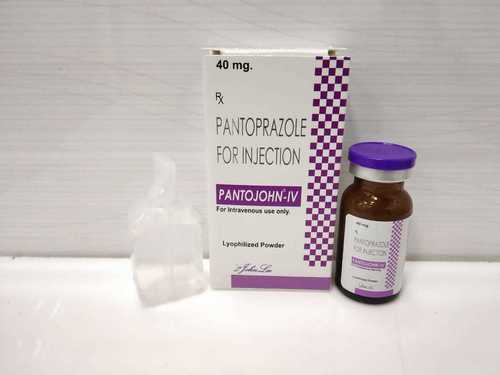
Sterile Pantoprazole Tablets
48.75 INR/Box
Product Details:
- Indication GERD, erosive esophagitis, peptic ulcers, Zollinger-Ellison syndrome
- Dosage Form Enteric-coated tablet
- Salt Composition Pantoprazole Sodium
- Origin of Medicine Allopathic, manufactured pharmaceutical
- Pacakaging (Quantity Per Box) Commonly available in cartons of 10, 14, or 28 tablets
- Drug Type Proton Pump Inhibitor (PPI)
- Ingredients Pantoprazole Sodium (as Enteric-Coated Granules), Excipients
- Click to View more
X
Sterile Pantoprazole Tablets Price And Quantity
- 48.75 INR/Box
- 1000 Bottle
Sterile Pantoprazole Tablets Product Specifications
- Store below 25C in a dry place, protect from moisture and light
- Pantoprazole Sodium (as Enteric-Coated Granules), Excipients
- Commonly available in cartons of 10, 14, or 28 tablets
- Allopathic, manufactured pharmaceutical
- Pantoprazole Sodium
- Adults and adolescents (age 12 years and above)
- Management of acid-related stomach and esophagus problems such as gastroesophageal reflux disease (GERD), erosive esophagitis, and Zollinger-Ellison syndrome
- Reduces gastric acid secretion by inhibiting proton pumps in the stomach
- Proton Pump Inhibitor (PPI)
- Varies; usually 10, 14 or 28 tablets per box
- As prescribed by physician, commonly 20 mg or 40 mg once daily
- Enteric-coated tablet
- Swallow tablet whole with water, do not crush or chew
- GERD, erosive esophagitis, peptic ulcers, Zollinger-Ellison syndrome
- Tablet
- May interact with certain HIV medications, anticoagulants, and other drugs metabolized by liver enzymes
- Sterile
- May include mannitol, crospovidone, hydroxypropyl cellulose, hypromellose, magnesium stearate, titanium dioxide (as per brand formulation)
- Short-term and long-term management of hyperacidity conditions
- Complies with pharmacopeial standards (USP/BP/EP as applicable)
- Prescription only
- 24 to 36 months from date of manufacture
- Yellow or light yellow
- Oral
- Round or oblong as per manufacturer specification
- As specified by manufacturer, usually within 30 minutes in intestinal environment
Sterile Pantoprazole Tablets Trade Information
- MUMBAI
- 1000 Bottle Per Day
- 01 Days
- Yes
- Free samples available with shipping and taxes paid by the buyer
- 1X40MG
- All India
- WHO&GMP
Product Description
USES :
Pantoprazole is used to treat certain stomach and esophagus problems (such as acid reflux). It works by decreasing the amount of acid your stomach makes. This medication relieves symptoms such as heartburn, difficulty swallowing, and persistent cough.
SIDE EFFECTS :
Headache or diarrhea may occur. Redness, pain, or swelling at the injection site may also occur. If any of these effects persist or worsen, tell your doctor or pharmacist promptly.
How Pantoprazole Tablets Work
Pantoprazole Tablets act by selectively inhibiting the proton pumps in the stomach lining, thereby significantly reducing the secretion of gastric acid. This action helps in alleviating symptoms and healing inflamed tissues associated with acid-related gastrointestinal conditions such as GERD and ulcers.
Recommended Usage and Administration
These tablets are prescribed by healthcare professionals for short-term or extended treatment periods, depending on the specific condition. The common dosage is 20 mg or 40 mg once daily for adults and adolescents aged 12 and above. Tablets should be swallowed whole with water, without crushing or chewing, to maintain the efficacy of the enteric coating.
Benefits of Enteric-Coated and Sterile Formulation
The enteric-coated, sterile formulation of Pantoprazole ensures that the active ingredient is protected from stomach acid until it reaches the intestine, where absorption occurs most effectively. This enhances drug stability, boosts therapeutic benefit, and minimizes potential stomach irritation.
FAQ's of Sterile Pantoprazole Tablets:
Q: How should I take Sterile Pantoprazole Tablets for best results?
A: Take the tablet whole with water, following your physician's dosage instructions-commonly 20 mg or 40 mg once daily. Do not crush or chew the tablet, as this may compromise its enteric coating and reduce effectiveness.Q: What conditions are treated with Sterile Pantoprazole Tablets?
A: Pantoprazole Tablets are indicated for the management of gastroesophageal reflux disease (GERD), erosive esophagitis, peptic ulcers, and Zollinger-Ellison syndrome, providing both short-term and long-term therapy based on your healthcare provider's advice.Q: When can I expect to see improvement in my symptoms after starting Pantoprazole?
A: Many patients begin to notice symptom relief within a few days of consistent use, but it may take up to a week for substantial improvement. Follow your prescribed dosage and consult your doctor if symptoms persist.Q: What are the storage requirements for Pantoprazole Tablets?
A: Store the tablets below 25C in a dry place, away from moisture and light, and keep them in their original packaging to maintain sterility and efficacy throughout their 24 to 36-month shelf life.Q: Are there any drug interactions with Pantoprazole?
A: Yes, Pantoprazole may interact with certain HIV medications, anticoagulants, and other drugs metabolized by liver enzymes. Always inform your healthcare provider of all medications you are taking to avoid adverse interactions.Q: What inactive ingredients might be present in the tablets, and why are they included?
A: Inactive ingredients such as mannitol, crospovidone, hydroxypropyl cellulose, hypromellose, magnesium stearate, and titanium dioxide may be present, contributing to tablet stability, disintegration, and appearance, as specified by the brand formulation.Q: Who should not use Sterile Pantoprazole Tablets without medical advice?
A: Children under 12 years, individuals with known hypersensitivity to Pantoprazole or any excipients, or those taking conflicting medications should not use this product without consulting a healthcare professional.Tell us about your requirement

Price:
Quantity
Select Unit
- 50
- 100
- 200
- 250
- 500
- 1000+
Additional detail
Mobile number
Email

Other Products in 'Pharmaceutical Medicines' category


Contact Details

- Office No.22 to 25, 2nd Floor, 72/78, Chapsey Building, Ladwadi, Shamaldas Gandhi Marg, Princess Street,Mumbai - 400002, Maharashtra, India
- Phone : 08045476402
AMBICA PHARMA
GST : 27AGKPJ8183H1ZY
GST : 27AGKPJ8183H1ZY

- Mr Vikram K Jain (Director)
- Mobile : 08045476402
- Send Inquiry
 Send Inquiry
 Send Inquiry
 Send SMS
AMBICA PHARMA
All Rights Reserved.(Terms of Use)
Developed and Managed by Infocom Network Private Limited.
Developed and Managed by Infocom Network Private Limited.

