 English
 Spanish
 French
 German
 Italian
 Chinese (Simplified)
 Japanese
 Korean
 Arabic
 Portuguese
 08045476402

 Send Inquiry
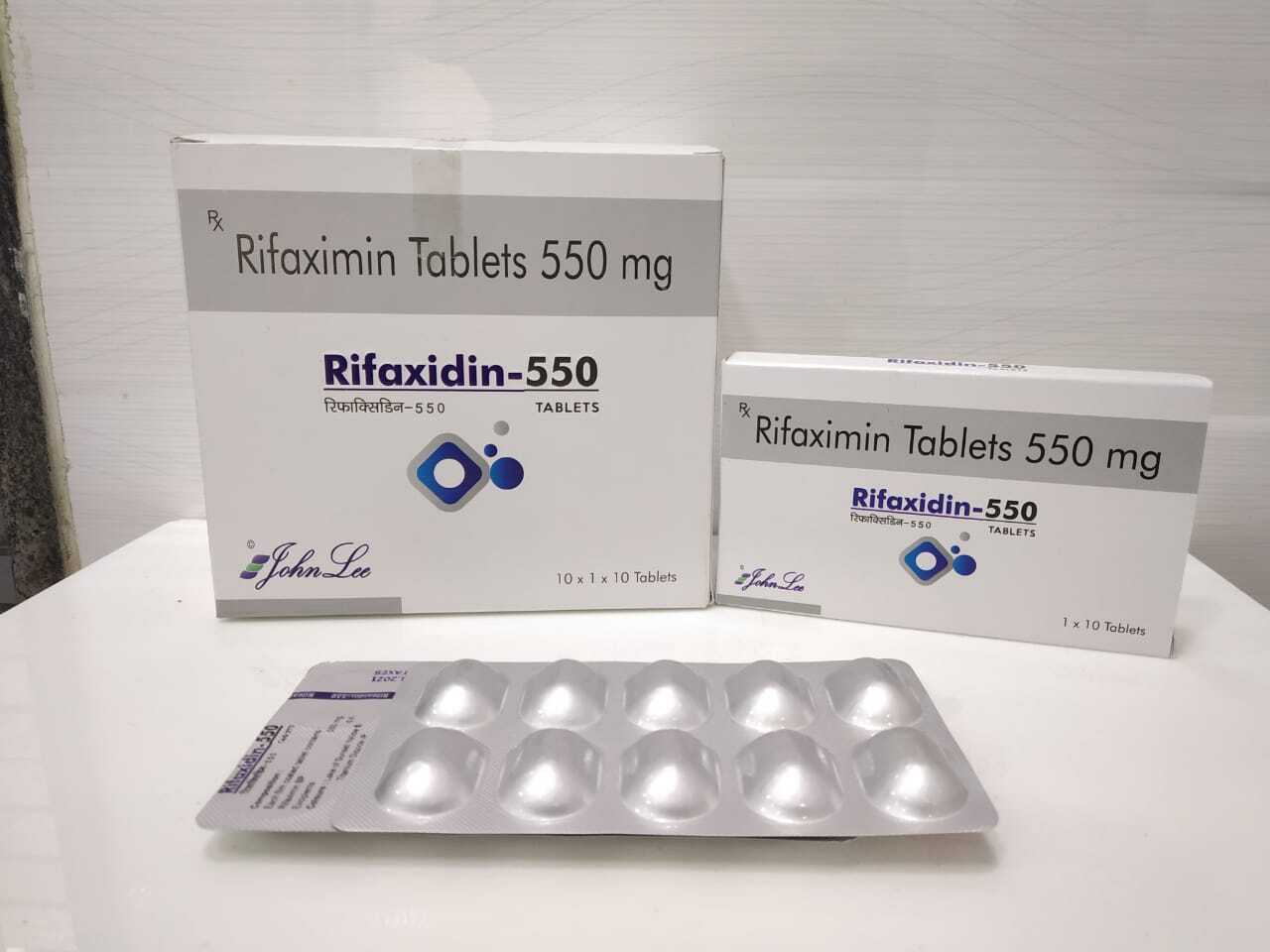
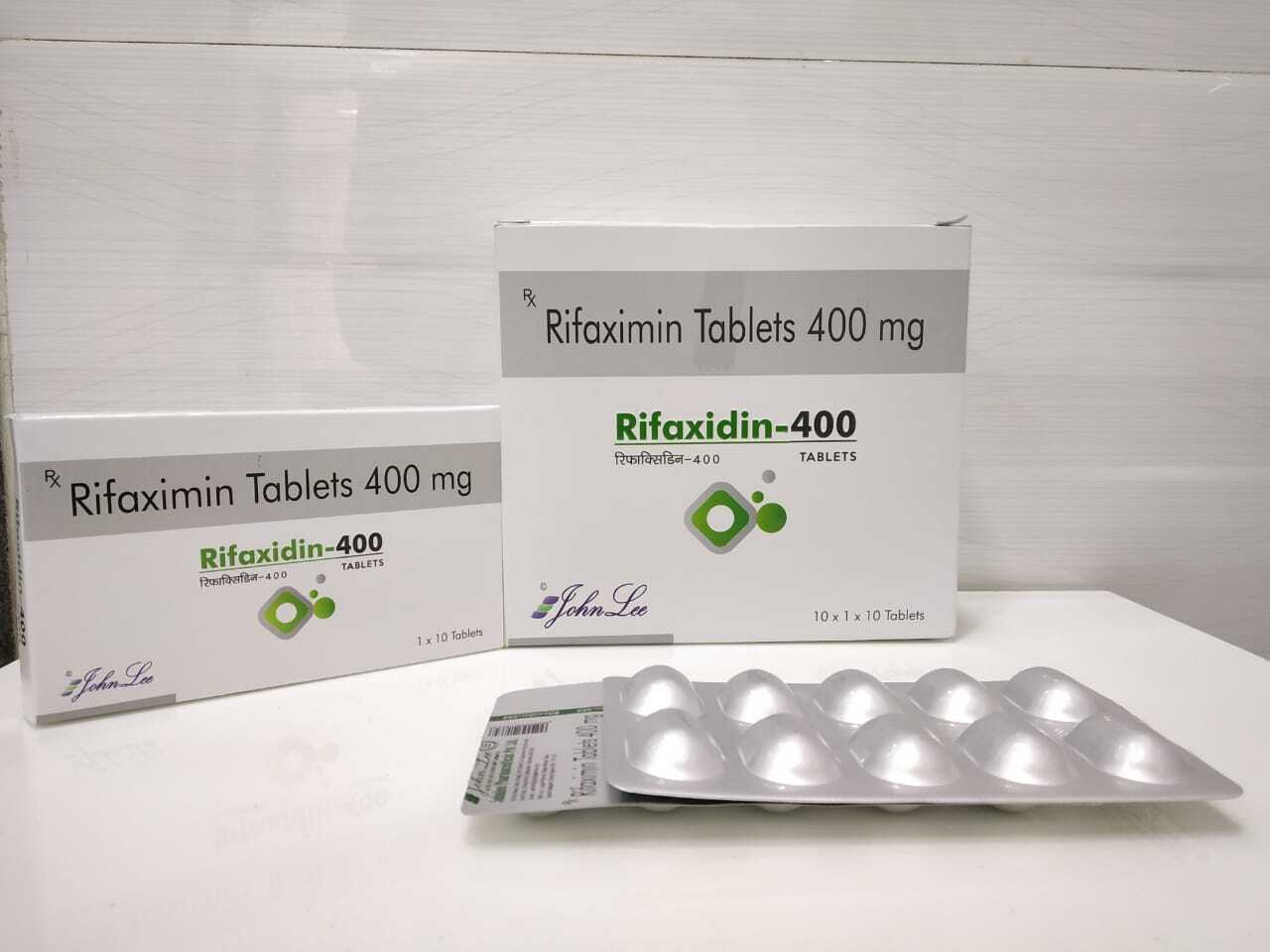
Rifaximin Tablets
Price 448.00 INR/ Box
MOQ : 10000 Strips
Rifaximin Tablets Specification
- Origin of Medicine
- Allopathic
- Salt Composition
- Rifaximin
- Indication
- Used for the treatment of hepatic encephalopathy, travelers diarrhea caused by non-invasive strains of E. coli, and IBS-D
- Pacakaging (Quantity Per Box)
- 10x10 Tablets
- Dosage Form
- Tablet
- Drug Type
- General Medicines
- Ingredients
- Rifaximin
- Physical Form
- Tablets
- Function
- Antibiotic, inhibits bacterial RNA synthesis
- Recommended For
- Bacterial Infections, Hepatic Encephalopathy, Travelers Diarrhea, IBS-D (Irritable Bowel Syndrome with Diarrhea)
- Dosage
- As prescribed by a physician, commonly 200 mg to 550 mg 2-3 times daily
- Dosage Guidelines
- Take orally with or without food as instructed by the doctor
- Suitable For
- Adults and Children (as per doctors advice)
- Quantity
- Varies (e.g., 10x10 Tablets per box)
- Storage Instructions
- Store in a cool, dry place, away from direct sunlight
- Packaging Type
- Blister packs or alu-alu packs
- Manufacturing Compliance
- WHO-GMP Certified Facility
- Common Side Effects
- Nausea, flatulence, abdominal pain, headache
- Prescription Status
- Prescription Only
- Strength
- 200 mg, 400 mg, 550 mg (as available)
- Tablet Color
- Pink to light red
- Route of Administration
- Oral
- Shelf Life
- 24-36 months from the date of manufacture
- Main Mechanism
- Poorly absorbed from the gastrointestinal tract, acts locally
- Precautions
- Not for use in patients with hypersensitivity to rifaximin or rifamycin derivatives
Rifaximin Tablets Trade Information
- Minimum Order Quantity
- 10000 Strips
- FOB Port
- MUMBAI
- Payment Terms
- Cash Advance (CA), Cash in Advance (CID), Cheque, Western Union
- Supply Ability
- 1000 Strips Per Day
- Delivery Time
- 01 Week
- Sample Available
- Yes
- Sample Policy
- Free samples available with shipping and taxes paid by the buyer
- Packaging Details
- 10X1X10TAB
- Main Export Market(s)
- Asia, Australia, Central America, North America, South America, Eastern Europe, Western Europe, Middle East, Africa
- Main Domestic Market
- All India
- Certifications
- WHO-GMP
Rifaximin Tablets About
Descriptions. Rifaximin is used to treat traveler's diarrhea that is caused by a bacteria called Escherichia coli. It is also used to prevent hepatic encephalopathy, which is a condition that occurs when your liver does not work normally. This medicine is also used to treat irritable bowel syndrome with diarrhea.Highly Effective Local Antibiotic Action
Rifaximin Tablets stand out for their ability to act locally within the gastrointestinal tract, providing targeted relief from specific bacterial infections. The poor absorption profile ensures minimized systemic exposure, reducing the risk of side effects. These tablets are ideal for treating hepatic encephalopathy, traveler's diarrhea, and IBS-D, as recommended by physicians.
Quality and Safety Assured Manufacturing
Each batch is produced in a WHO-GMP certified facility, guaranteeing adherence to international standards for quality, efficacy, and safety. The controlled production process in India ensures the medicine meets rigorous export requirements, making Rifaximin a reliable option for physicians and patients worldwide.
Versatile Packaging and Easy Storage
Rifaximin Tablets are packed in convenient blister or alu-alu formats that protect them from moisture and contamination. With a 24-36 month shelf life, the tablets can be stored in a cool, dry environment, ensuring prolonged potency and safety for users. Packaging sizes are tailored for ease of distribution and patient usability.
FAQ's of Rifaximin Tablets:
Q: How should Rifaximin Tablets be taken for bacterial infections?
A: Rifaximin Tablets should be taken orally, with or without food, as directed by your doctor. The dosage usually ranges from 200 mg to 550 mg, administered two to three times daily depending on the specific condition and patient needs.Q: What conditions are Rifaximin Tablets recommended for?
A: These tablets are typically prescribed for treating hepatic encephalopathy, traveler's diarrhea caused by non-invasive E. coli, and irritable bowel syndrome with diarrhea (IBS-D). Always use them under medical supervision and as per doctor's guidance.Q: When is Rifaximin not suitable for use?
A: Patients with known hypersensitivity to Rifaximin or rifamycin derivatives should not use this medication. If you experience allergic reactions or severe side effects, consult your healthcare provider immediately.Q: Where should Rifaximin Tablets be stored for optimal shelf life?
A: Store Rifaximin Tablets in a cool, dry place, away from direct sunlight. Proper storage helps maintain their effectiveness and safety throughout the 24-36 month shelf life from the manufacturing date.Q: What are the common side effects associated with Rifaximin Tablets?
A: Typical side effects include nausea, flatulence, abdominal pain, and headache. If any symptoms persist or worsen, contact your physician for advice and possible adjustments to your medication.Q: What is the main mechanism of action for Rifaximin Tablets?
A: Rifaximin works locally in the gastrointestinal tract by inhibiting bacterial RNA synthesis, which helps control and eliminate infection with minimal systemic absorption, thereby reducing the risk of widespread side effects.Q: How are Rifaximin Tablets packaged and supplied for patients?
A: The tablets are packed in secure blister or alu-alu packs, often in boxes containing 10x10 tablets. This packaging ensures protection against moisture and contamination while facilitating accurate dosage tracking and convenient usage for patients.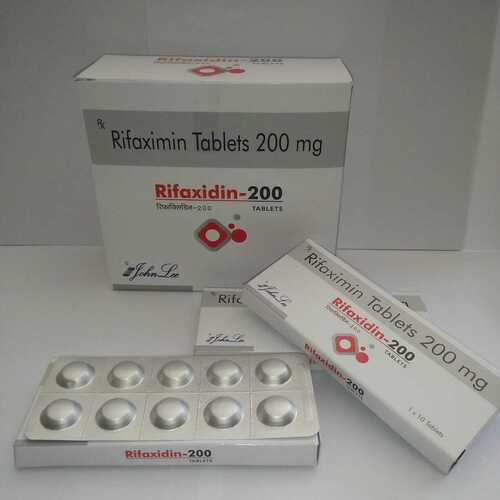
Tell us about your requirement

Price:
Quantity
Select Unit
- 50
- 100
- 200
- 250
- 500
- 1000+
Additional detail
Mobile number
Email

More Products in Antibiotic Medicines Category
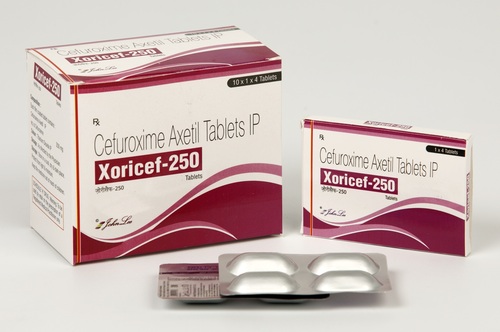
Cefuroxime Axetil Tablets
Price 230.00 INR / Box
Minimum Order Quantity : 10000 Strips
Dosage Guidelines : Take as prescribed, do not exceed recommended dose
Drug Type : Other, Generic
Physical Form : Tablets
Storage Instructions : Store in a cool, dry place, protect from light
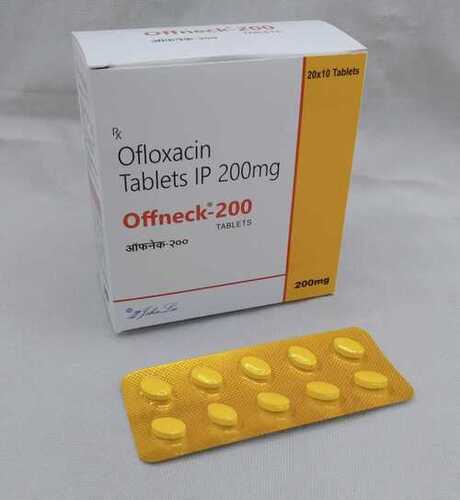
Ofloxacin Tablets
Price 95.75 INR / Box
Minimum Order Quantity : 10000 Strips
Dosage Guidelines : Take with water, do not crush or chew
Drug Type : General Medicines
Physical Form : Tablets
Storage Instructions : Store in a cool, dry place away from direct sunlight
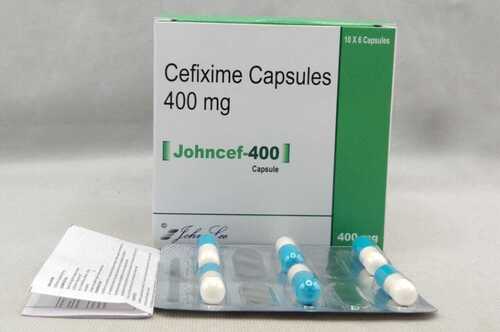
Cefixime Capsules
Price 247.00 INR / Strip
Minimum Order Quantity : 100 Boxes
Dosage Guidelines : As per doctor
Drug Type : General Medicines
Physical Form : Tablets
Storage Instructions : Dry & Cool place
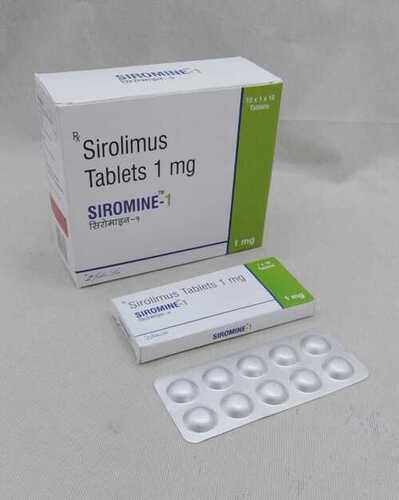
Sirolimus Tablets
Price 1890.00 INR / Box
Minimum Order Quantity : 1000
Dosage Guidelines : As per doctor
Drug Type : General Medicines
Physical Form : Tablets
Storage Instructions : Dry & Cool place

Contact Details

- Office No.22 to 25, 2nd Floor, 72/78, Chapsey Building, Ladwadi, Shamaldas Gandhi Marg, Princess Street,Mumbai - 400002, Maharashtra, India
- Phone : 08045476402
AMBICA PHARMA
GST : 27AGKPJ8183H1ZY
GST : 27AGKPJ8183H1ZY

- Mr Vikram K Jain (Director)
- Mobile : 08045476402
- Send Inquiry
 Send Inquiry
 Send Inquiry
 Send SMS
 Call Me Free
AMBICA PHARMA
All Rights Reserved.(Terms of Use)
Developed and Managed by Infocom Network Private Limited.
Developed and Managed by Infocom Network Private Limited.

