 English
 Spanish
 French
 German
 Italian
 Chinese (Simplified)
 Japanese
 Korean
 Arabic
 Portuguese
 08045476402

 Send Inquiry
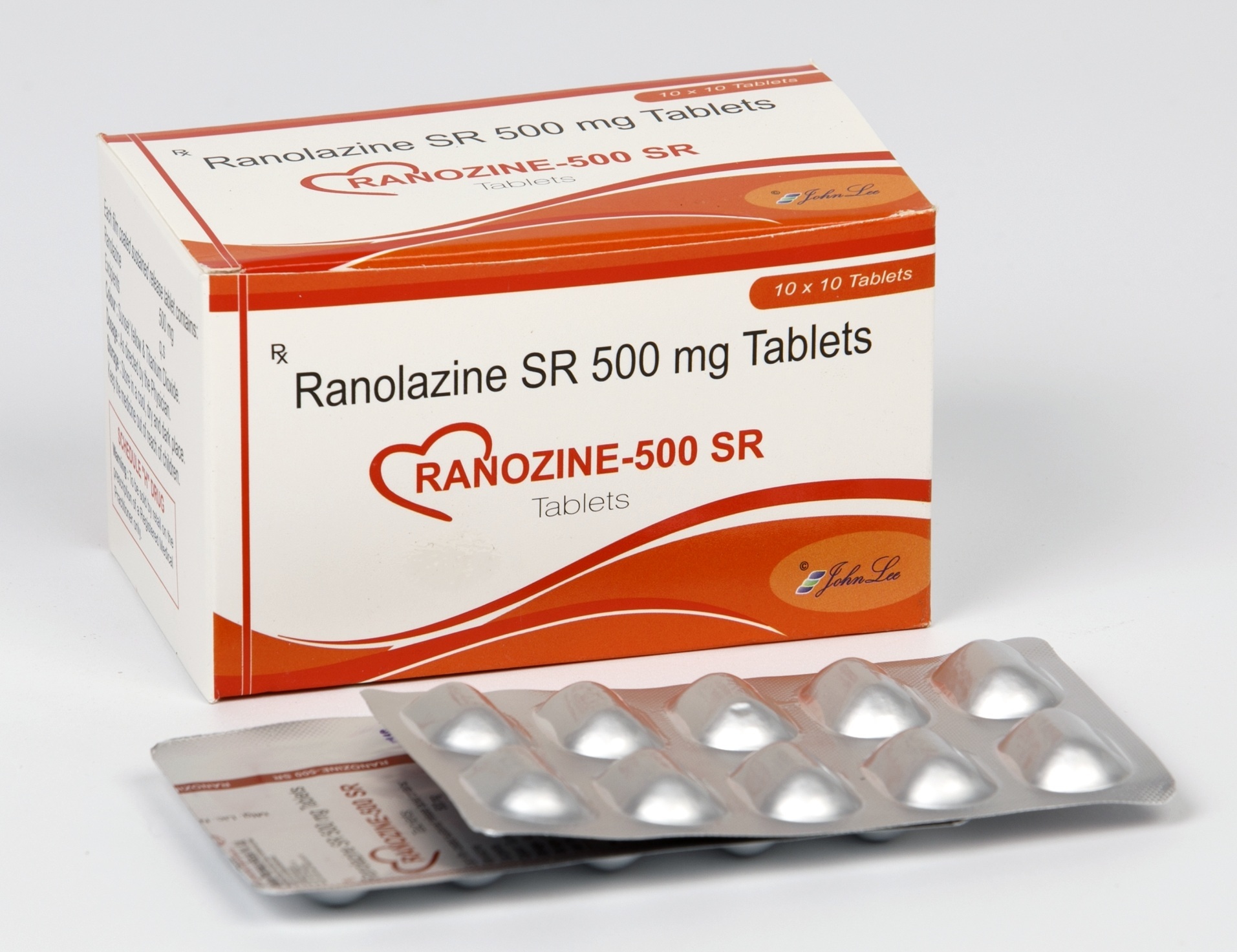
Ranolazine Tablets
Price 150.00 INR/ Box
MOQ : 10000 Strips
Ranolazine Tablets Specification
- Dosage Form
- Tablet
- Indication
- Chronic stable angina
- Origin of Medicine
- Allopathic
- Salt Composition
- Ranolazine
- Pacakaging (Quantity Per Box)
- 100 tablets per box (10x10 strips)
- Drug Type
- General Medicines
- Ingredients
- Ranolazine
- Physical Form
- Tablets
- Function
- Antianginal agent
- Recommended For
- Stable angina patients, adults prescribed by physician
- Dosage
- As directed by the physician
- Dosage Guidelines
- Take orally with water, do not crush or chew tablets
- Suitable For
- Adults
- Quantity
- Varies; commonly 10x10 tablets per box
- Storage Instructions
- Store in a cool, dry place below 30°C. Protect from light and moisture.
- Route of Administration
- Oral
- Shape
- Oval tablet
- Interactions
- May interact with CYP3A inhibitors/inducers, digoxin, simvastatin, and anti-arrhythmics
- Safety Advice
- Use with caution in hepatic or renal impairment; not for use in pregnancy unless prescribed
- Regulatory Approval
- Approved by relevant health authorities (e.g., US FDA, India CDSCO)
- Shelf Life
- 24 months from the date of manufacture
- Contraindications
- Hypersensitivity to ranolazine, significant liver impairment
- Marketed By
- Various pharmaceutical companies
- Prescription Required
- Yes
- Side Effects
- May cause dizziness, headache, constipation, or nausea
- Color
- White to off-white
- Brand Name
- Varies by manufacturer
- Strength/Available Doses
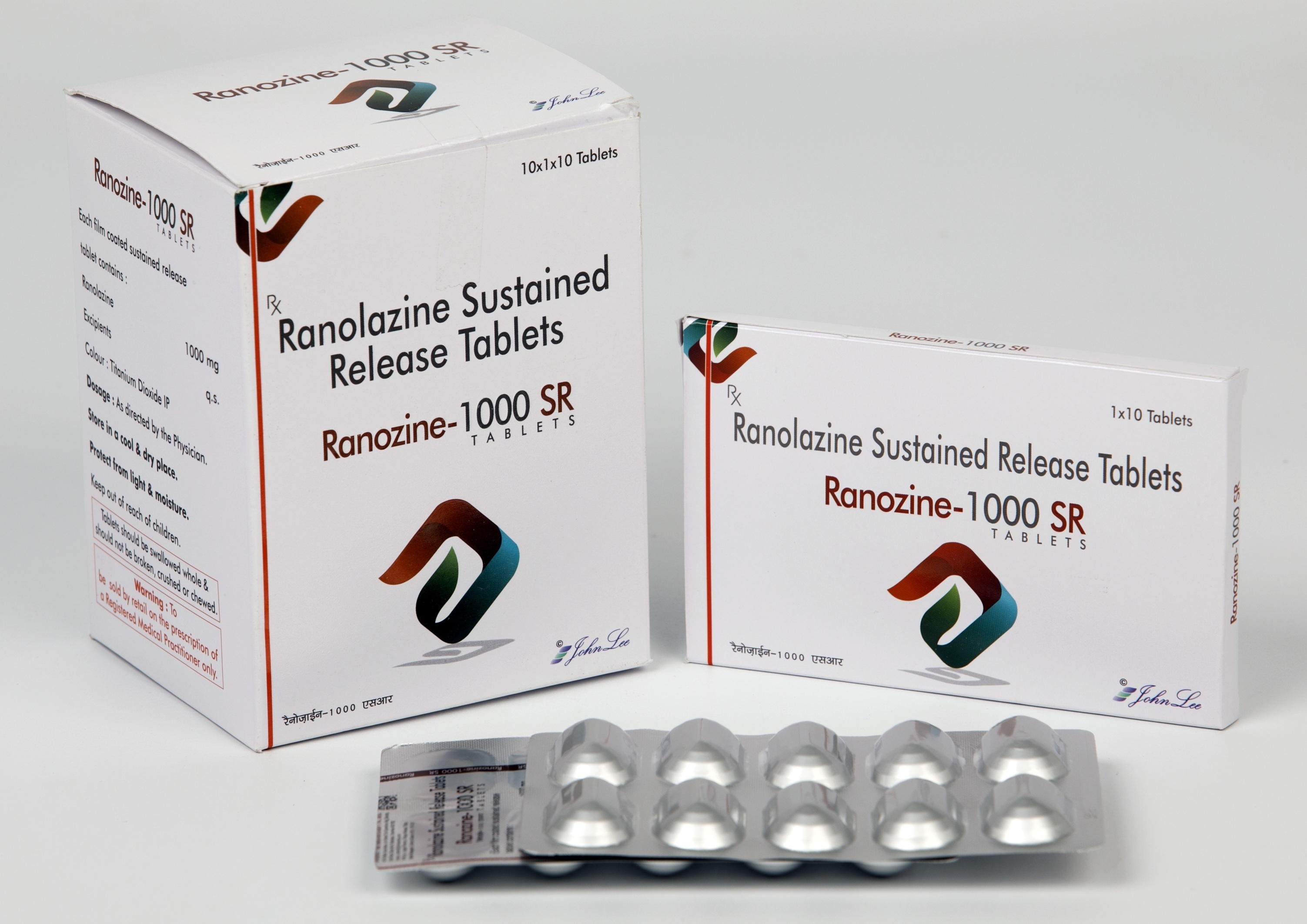
- 500 mg, 1000 mg
Ranolazine Tablets Trade Information
- Minimum Order Quantity
- 10000 Strips
- FOB Port
- MUMBAI
- Payment Terms
- Cash Advance (CA), Cash in Advance (CID), Cheque, Western Union
- Supply Ability
- 10000 Strips Per Day
- Delivery Time
- 01 Week
- Sample Available
- Yes
- Sample Policy
- Free samples available with shipping and taxes paid by the buyer
- Packaging Details
- 10X10TAB
- Main Export Market(s)
- Asia, Australia, Central America, North America, South America, Eastern Europe, Western Europe, Middle East, Africa
- Main Domestic Market
- All India
- Certifications
- WHO-GMP
Ranolazine Tablets About
Ranolazine is used to treat chronic angina (chest pain). This medicine is usually used together with other medicines (eg, ACE inhibitors, angiotensin receptor blockers, calcium channel blockers, beta-blockers, nitrates, antiplatelets, or lipid-lowering medicines).Mechanism of Action
Ranolazine acts as an antianginal agent by modulating the late phase of the sodium current in cardiac cells, which helps improve oxygen utilization and reduce the frequency of angina attacks. This mechanism is beneficial for patients with chronic stable angina, offering sustained symptom relief when other treatments are insufficient.
Dosage and Administration
Ranolazine Tablets should be consumed orally with water, following your physician's dosage instructions. Tablets must not be crushed or chewed as this impacts the drug's effectiveness. Dosage may vary depending on individual needs and will be specified by your healthcare provider, typically available in 500 mg or 1000 mg strengths.
Storage and Shelf Life
To maintain the medication's effectiveness, store Ranolazine Tablets in a cool, dry environment below 30C and keep them away from direct light and moisture. The tablets have a shelf life of 24 months from the date of manufacture, provided they are stored as directed.
FAQ's of Ranolazine Tablets:
Q: How should Ranolazine Tablets be taken for treating chronic stable angina?
A: Ranolazine Tablets must be taken orally with water, exactly as directed by your physician. Do not crush or chew the tablets, as this could alter their efficacy. The dose is typically personalized and may be either 500 mg or 1000 mg depending on your prescription.Q: What are the key benefits of using Ranolazine Tablets for angina?
A: Ranolazine is primarily used to lower the frequency of angina episodes in adults with chronic stable angina. It enhances oxygen delivery to heart muscles, helping patients maintain daily activities with fewer symptoms and improved quality of life.Q: When is Ranolazine contraindicated and what precautions should be taken?
A: Ranolazine should not be used in individuals allergic to ranolazine or those with significant liver impairment. Additionally, caution is advised in patients with hepatic or renal dysfunction, and use during pregnancy is only recommended if prescribed by a healthcare professional.Q: Where can Ranolazine Tablets be obtained?
A: Ranolazine Tablets are available through licensed pharmacies and must be purchased with a valid prescription. They are marketed by various pharmaceutical companies in India and come under several brand names.Q: What medications or substances can interact with Ranolazine?
A: Ranolazine may interact with drugs such as CYP3A inhibitors/inducers, digoxin, simvastatin, and certain anti-arrhythmics. Always inform your healthcare provider about all medications you are taking to avoid potential adverse interactions.Q: What side effects might occur while taking Ranolazine Tablets?
A: Common side effects of Ranolazine include dizziness, headache, constipation, and nausea. If you experience severe or persistent symptoms, contact your healthcare provider promptly.Q: How should Ranolazine Tablets be stored to ensure their potency?
A: Store Ranolazine Tablets in a cool, dry place, below 30C, protected from light and moisture. Keeping the medication in the original packaging also helps preserve its shelf life and effectiveness.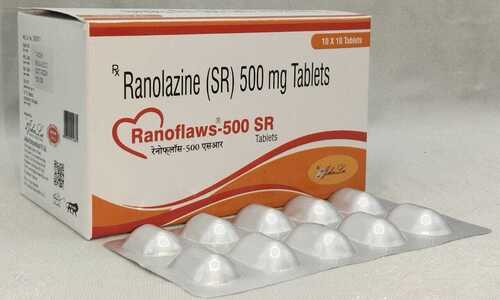
Tell us about your requirement

Price:
Quantity
Select Unit
- 50
- 100
- 200
- 250
- 500
- 1000+
Additional detail
Mobile number
Email

More Products in Cardiovascular Medicine Category
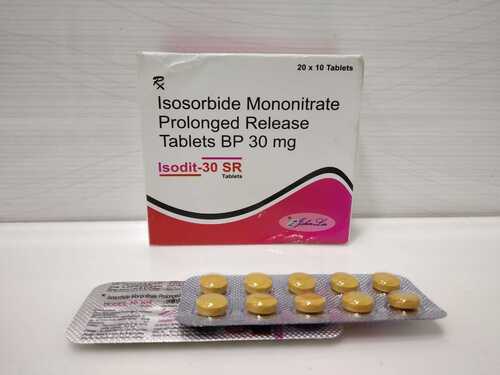
Isosorbide Mononitrate Tablet
Price 67.00 INR / Box
Minimum Order Quantity : 10000 Strips
Origin of Medicine : Allopathic
Dosage Guidelines : Oral administration; swallow whole with water, do not chew
Function : Other, Antianginal; Vasodilator
Dosage : As prescribed by physician; typically 20 mg to 60 mg once or twice daily
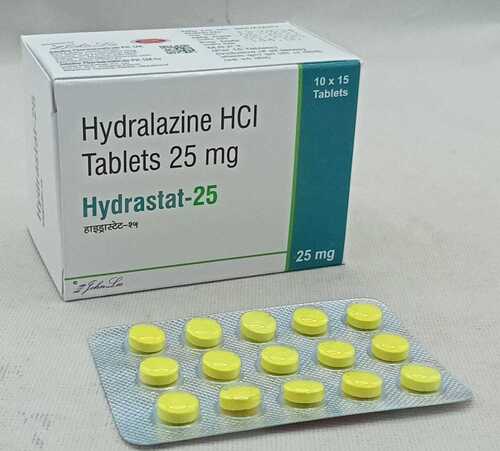
Hydralazine Hydrochloride Tablets
Price 144.00 INR / Box
Minimum Order Quantity : 10000 Strips
Origin of Medicine : Allopathic
Dosage Guidelines : Take orally with or without food as advised by the healthcare provider
Function : Other, Antihypertensive
Dosage : As directed by the physician
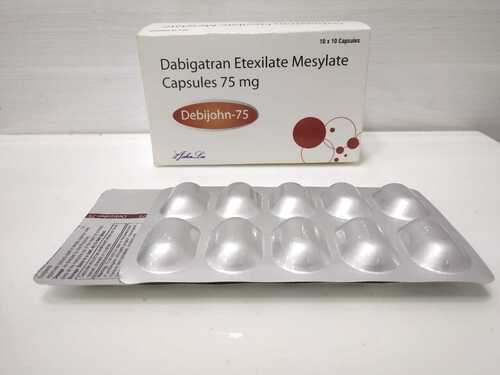
Dabigatran Tablets
Price 385.00 INR / Box
Minimum Order Quantity : 10000 Strips
Origin of Medicine : Allopathic
Dosage Guidelines : Take orally with water, do not chew or break the tablet
Function : Other, Anticoagulant
Dosage : As prescribed by physician, commonly 110 mg or 150 mg twice daily
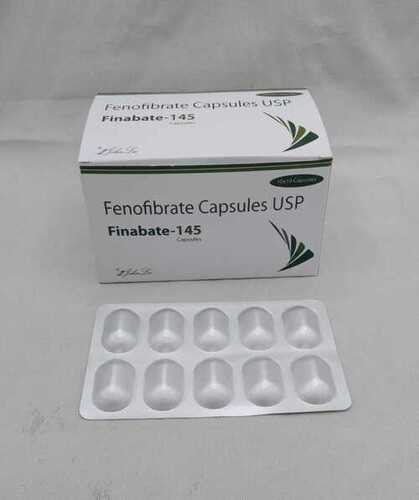
Fenofibrate Capsules
Price 150.00 INR / Box
Minimum Order Quantity : 10000 Strips
Origin of Medicine : Allopathic
Dosage Guidelines : Take orally with or without food, as directed
Function : Other, Lipidlowering agent
Dosage : As prescribed by physician

Contact Details

- Office No.22 to 25, 2nd Floor, 72/78, Chapsey Building, Ladwadi, Shamaldas Gandhi Marg, Princess Street,Mumbai - 400002, Maharashtra, India
- Phone : 08045476402
AMBICA PHARMA
GST : 27AGKPJ8183H1ZY
GST : 27AGKPJ8183H1ZY

- Mr Vikram K Jain (Director)
- Mobile : 08045476402
- Send Inquiry
 Send Inquiry
 Send Inquiry
 Send SMS
 Call Me Free
AMBICA PHARMA
All Rights Reserved.(Terms of Use)
Developed and Managed by Infocom Network Private Limited.
Developed and Managed by Infocom Network Private Limited.

