 English
 Spanish
 French
 German
 Italian
 Chinese (Simplified)
 Japanese
 Korean
 Arabic
 Portuguese
 08045476402
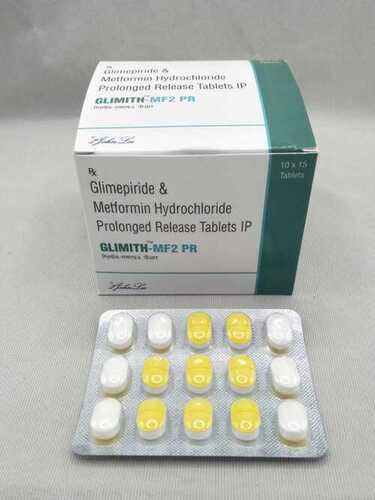
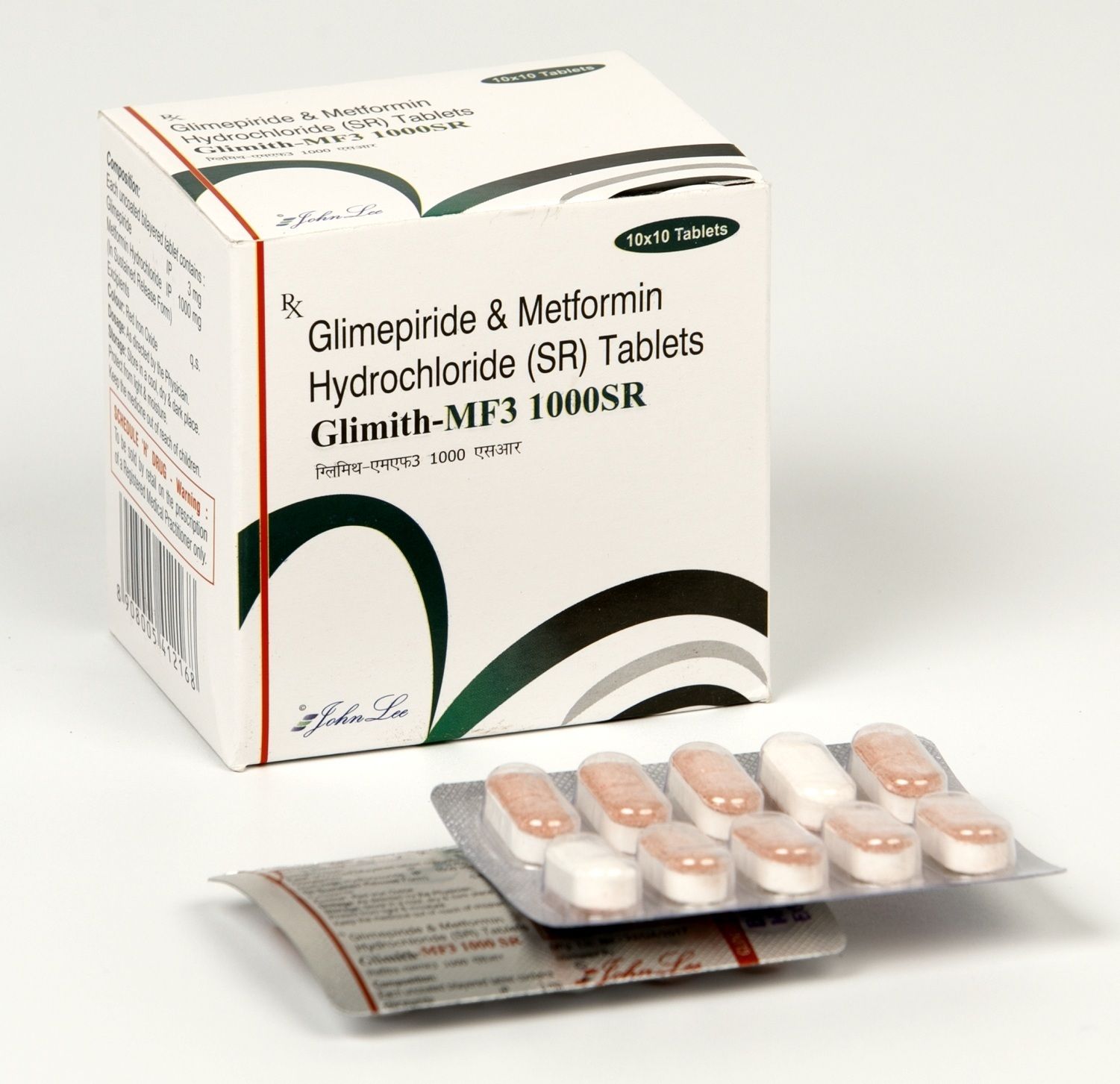
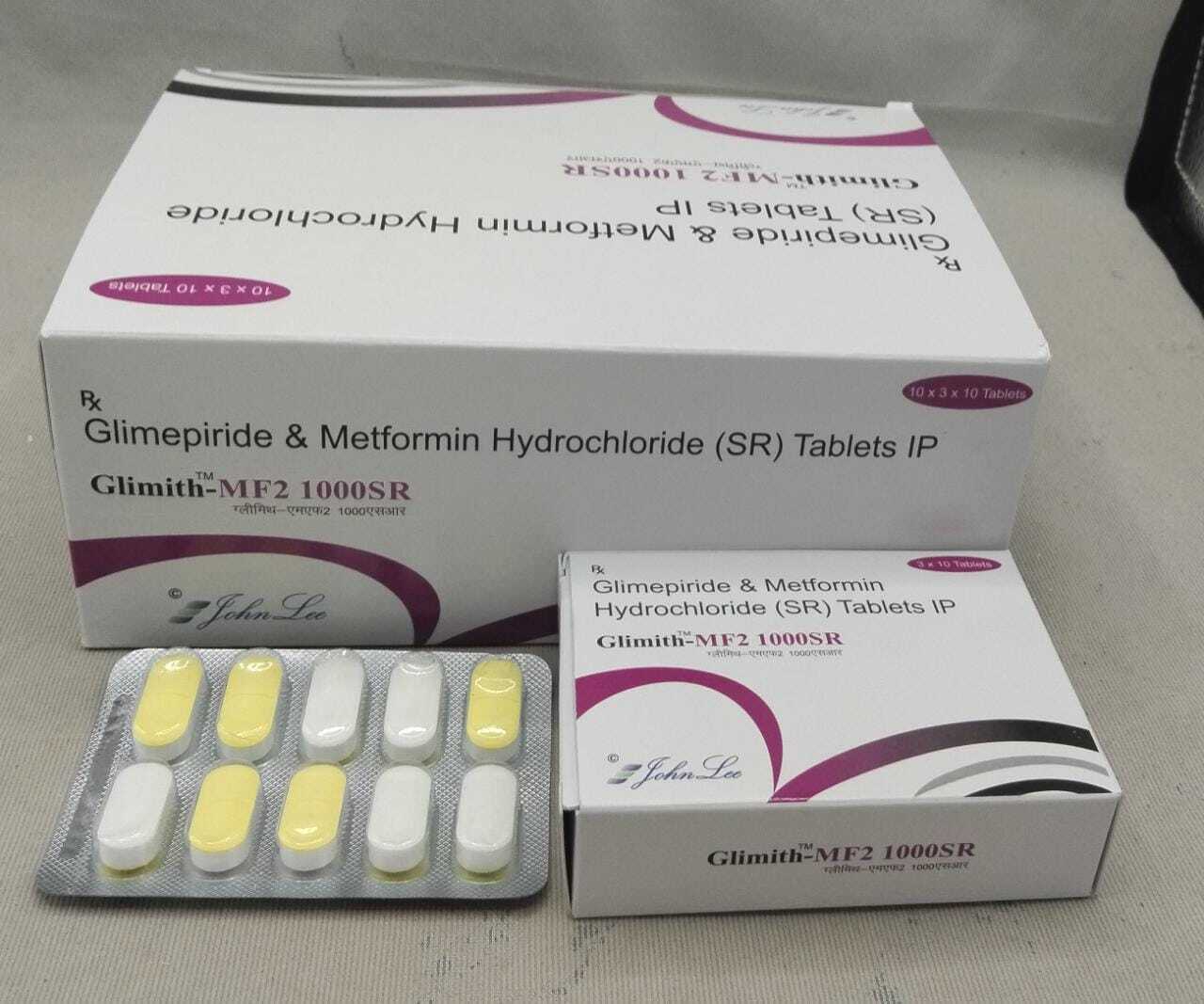
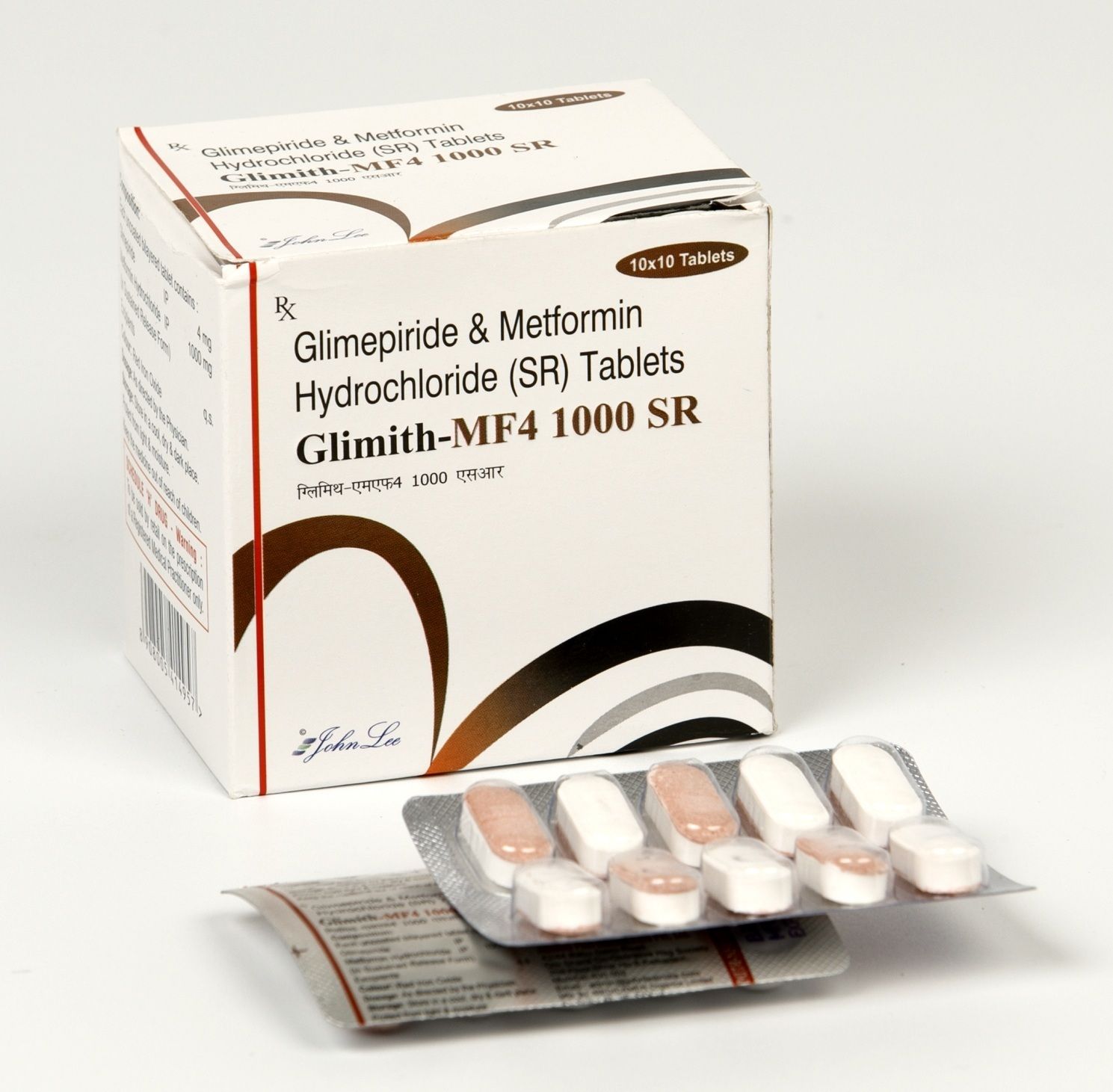
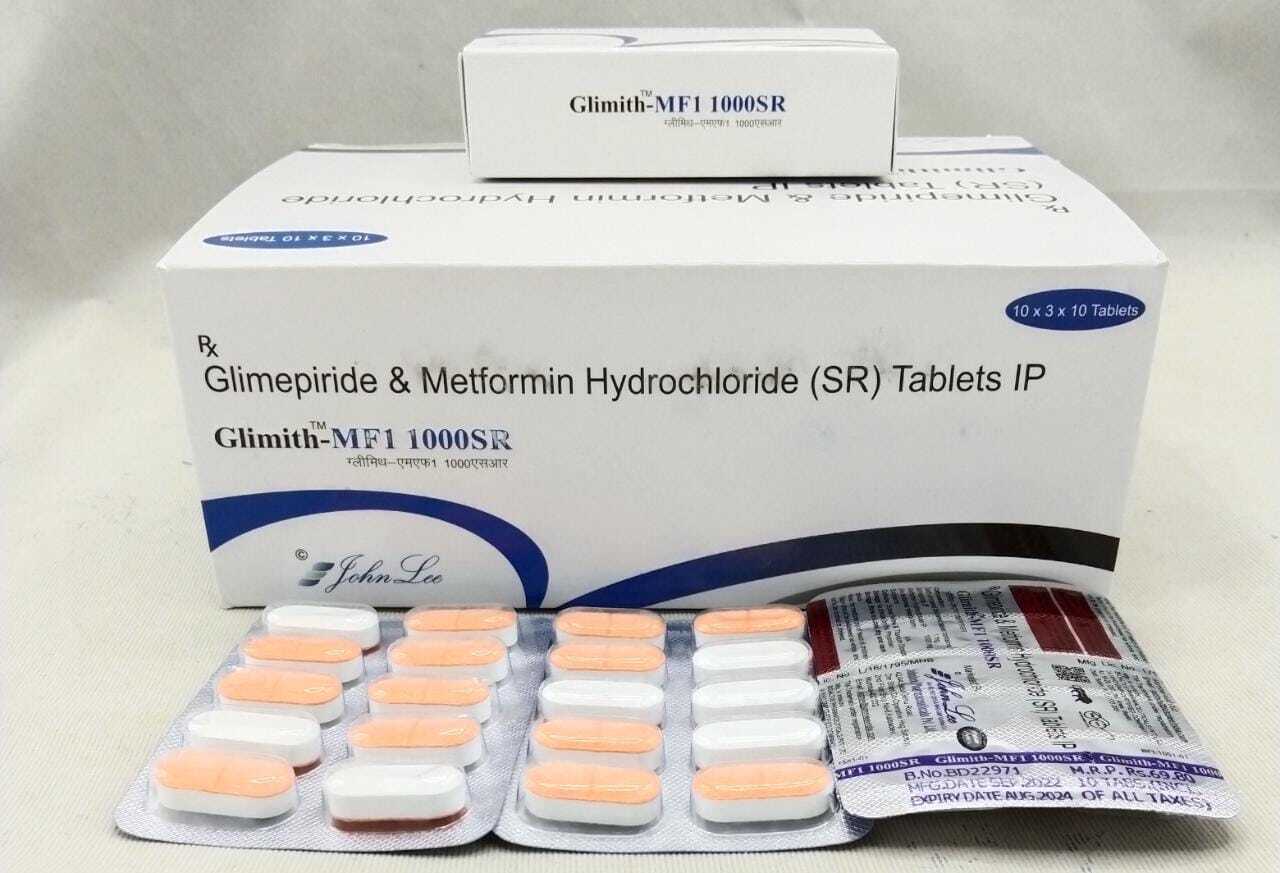
Glimepiride Tablets
138.00 INR/Box
Product Details:
- Dosage Form Tablet
- Salt Composition Glimepiride
- Packaging Type Blister Pack
- Indication For the management and control of blood glucose in Type 2 Diabetes
- Origin of Medicine India
- Pacakaging (Quantity Per Box) 100 Tablets (10 strips x 10 tablets each)
- Life Span 24-36 months
- Click to View more
X
Glimepiride Tablets Price And Quantity
- 61.00 - 138.00 INR/Box
- 138.00 INR/Box
- 100000 Tablet
Glimepiride Tablets Product Specifications
- Tablet
- Take before or with meals as prescribed
- 10 x 10 Tablets
- Glimepiride
- As directed by the physician
- Adults
- Blister Pack
- For the management and control of blood glucose in Type 2 Diabetes
- Glimepiride
- Allopathic
- Tablets
- Store in a cool, dry place, protected from light and moisture
- Oral Antidiabetic Agent (Sulfonylurea)
- Glimepiride Tablets
- Type 2 Diabetes Mellitus
- India
- 100 Tablets (10 strips x 10 tablets each)
- 24-36 months
- Type 1 Diabetes, diabetic ketoacidosis, hypersensitivity
- Schedule 'H' Prescription Drug
- As per Indian regulatory standards
- Printed on the pack
- Yes
- Reputed Indian pharmaceutical manufacturer
- 1 mg, 2 mg, 3 mg, or 4 mg
- Hypoglycemia, dizziness, headache (refer to leaflet)
- Light blue (may vary by manufacturer)
- Oral
Glimepiride Tablets Trade Information
- MUMBAI
- Western Union, Cash Advance (CA), Cash in Advance (CID)
- 1000 Tablet Per Day
- 01 Week
- Yes
- Free samples available with shipping and taxes paid by the buyer
- 10X3X10TAB
- WHO-GMP
Product Description
Glimepiride is used to treat high blood sugar levels caused by type 2 diabetes. It may be used alone, or in combination with insulin or another oral medicine such as metformin. In type 2 diabetes, insulin produced by the pancreas is not able to get sugar into the cells of the body where it can work properly.Effective Blood Sugar Management
Glimepiride Tablets offer reliable control of blood glucose for adults diagnosed with Type 2 Diabetes Mellitus. Leveraging its sulfonylurea mechanism, the medication stimulates insulin secretion from the pancreas, helping patients reach better glycemic targets under medical supervision. Designed for daily oral use, these tablets combine efficacy with ease of administration.
Tailored Dosage for Individual Needs
Available in multiple strengths-1 mg, 2 mg, 3 mg, and 4 mg-Glimepiride Tablets enable physicians to individualize treatment regimens. The recommended dosage depends on the patient's health status and response, ensuring an optimized approach to diabetes management. Dosage adjustments should only be made as instructed by your healthcare provider.
User-Friendly Packaging and Storage
Each box includes 10 stripes, containing 10 tablets each, providing a convenient supply for regular dosing. These tablets are housed in blister packs, protecting the medicine from light and moisture. Patients are advised to store Glimepiride in a cool, dry place and check the expiry date, which is printed on each pack, to maintain efficacy and safety.
FAQ's of Glimepiride Tablets:
Q: How should Glimepiride Tablets be taken for optimal results?
A: Glimepiride Tablets should be taken orally once daily, preferably before or with your first meal, as directed by your physician. Follow the prescribed dosage and do not adjust it without consulting your healthcare provider.Q: What are the common benefits of using Glimepiride Tablets for Type 2 Diabetes?
A: Glimepiride effectively helps control blood sugar levels by increasing insulin release, thereby reducing complications associated with uncontrolled Type 2 Diabetes Mellitus when used as part of a treatment plan.Q: When is Glimepiride unsuitable for use?
A: Glimepiride Tablets are contraindicated in individuals with Type 1 Diabetes, diabetic ketoacidosis, or known hypersensitivity to glimepiride or similar sulfonylureas. Always consult your doctor if you have underlying health concerns.Q: What are the possible side effects of Glimepiride?
A: Some common side effects include hypoglycemia (low blood sugar), dizziness, and headaches. Refer to the patient information leaflet for a comprehensive list and contact your healthcare provider if you experience any persistent symptoms.Q: Where should I store Glimepiride Tablets?
A: Store Glimepiride Tablets in a cool, dry place away from direct sunlight and moisture. Keep them out of reach of children and always check the printed expiry date before use.Q: What process should I follow if I miss a dose of Glimepiride?
A: If you miss a dose, take it as soon as you remember unless it is close to your next scheduled dose. Do not double up doses to make up for a missed one. Consult your healthcare provider for further guidance.Tell us about your requirement

Price:
Quantity
Select Unit
- 50
- 100
- 200
- 250
- 500
- 1000+
Additional detail
Mobile number
Email

Other Products in 'Pharmaceutical Medicines' category


Contact Details

- Office No.22 to 25, 2nd Floor, 72/78, Chapsey Building, Ladwadi, Shamaldas Gandhi Marg, Princess Street,Mumbai - 400002, Maharashtra, India
- Phone : 08045476402
AMBICA PHARMA
GST : 27AGKPJ8183H1ZY
GST : 27AGKPJ8183H1ZY

- Mr Vikram K Jain (Director)
- Mobile : 08045476402
- Send Inquiry
 Send Inquiry
 Send Inquiry
 Send SMS
AMBICA PHARMA
All Rights Reserved.(Terms of Use)
Developed and Managed by Infocom Network Private Limited.
Developed and Managed by Infocom Network Private Limited.

