 English
 Spanish
 French
 German
 Italian
 Chinese (Simplified)
 Japanese
 Korean
 Arabic
 Portuguese
 08045476402

 Send Inquiry
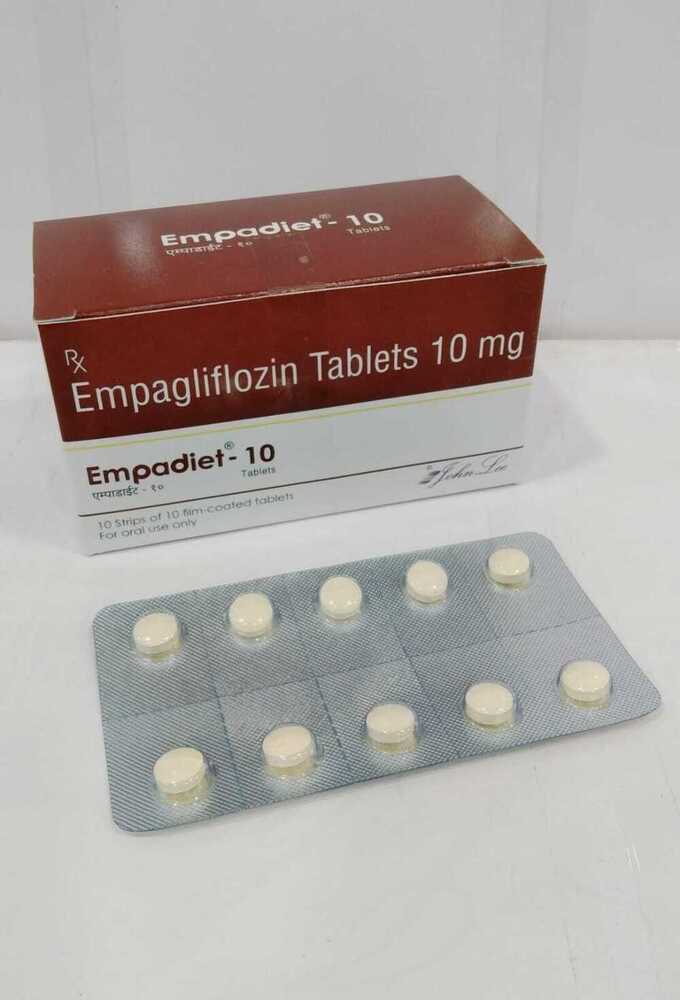
Empagliflozin Tablet
Price 630.00 INR/ Strip
MOQ : 1000 Boxes
Empagliflozin Tablet Specification
- Salt Composition
- Empagliflozin
- Dosage Form
- Solid, Oral Tablet
- Indication
- Type 2 diabetes mellitus, as an adjunct to diet and exercise
- Pacakaging (Quantity Per Box)
- Typically 10, 14, or 30 tablets per box
- Origin of Medicine
- Modern Medicine
- Drug Type
- Allopathic
- Ingredients
- Empagliflozin
- Physical Form
- Tablet
- Function
- Antidiabetic medicine (SGLT2 inhibitor), helps lower blood sugar levels
- Recommended For
- Adults with type 2 diabetes mellitus
- Dosage
- As directed by physician
- Dosage Guidelines
- Once daily, with or without food, as prescribed by the physician
- Suitable For
- Adults
- Storage Instructions
- Store in a cool, dry place below 30°C, protected from light and moisture
- Route of Administration
- Oral
- Strength
- 10 mg or 25 mg per tablet (as per prescription)
- Prescription/Non-prescription
- Prescription only
- Side Effects
- Urinary tract infections, increased urination, genital infections, dehydration (see leaflet for complete list)
- Marketed By
- Varies with supplier/brand
- Shape
- Oval
- Contraindications
- Hypersensitivity to Empagliflozin or any component of the tablet
- Shelf Life
- 24 months from date of manufacture
- Warning/Precautions
- Not for use in patients with type 1 diabetes or diabetic ketoacidosis, use with caution in renal impairment
- Color
- White to off-white
Empagliflozin Tablet Trade Information
- Minimum Order Quantity
- 1000 Boxes
- FOB Port
- mumbai
- Payment Terms
- Cash Advance (CA), Cash in Advance (CID), Cheque
- Supply Ability
- 1000 Boxes Per Day
- Delivery Time
- 1 Week
- Sample Available
- Yes
- Sample Policy
- Free samples available with shipping and taxes paid by the buyer
- Packaging Details
- 10X10TAB
- Certifications
- WHO GMP
Empagliflozin Tablet About
Empagliflozin is usedto treat type 2 diabetes. It works in the kidneys to prevent absorption of glucose (blood sugar). This helps lower the blood sugar level. Empagliflozin does not help patients who have insulin-dependent or type 1 diabetes.How Does Empagliflozin Work?
Empagliflozin belongs to the SGLT2 inhibitor class of medicines. It acts by preventing reabsorption of glucose in the kidneys, thereby increasing its excretion through urine. This process helps reduce blood sugar levels in adults diagnosed with type 2 diabetes mellitus. Regular use as prescribed assists in maintaining glycemic control.
Benefits for Type 2 Diabetes Management
These tablets are highly beneficial as part of a comprehensive diabetes treatment plan. Used alongside diet and physical activity, empagliflozin not only lowers blood glucose but also contributes to better overall metabolic health. Its oral administration allows convenient daily dosing for adults with type 2 diabetes.
Dosage and Usage Guidelines
Empagliflozin tablets should be taken once daily, with or without food, following the specific instructions provided by your physician. Dosage varies between 10 mg and 25 mg per tablet, determined by the individual patients needs. Do not change your dose or discontinue use without consulting your healthcare provider.
FAQs of Empagliflozin Tablet:
Q: What is Empagliflozin prescribed for?
A: Empagliflozin is prescribed for adults with type 2 diabetes mellitus. It helps lower blood sugar levels and is used as an adjunct to diet and exercise.Q: How should I take Empagliflozin tablets?
A: Take the tablet once daily, either with food or without, exactly as directed by your physician. Do not exceed the prescribed dose.Q: What are the possible side effects of Empagliflozin?
A: Common side effects include increased urination, urinary tract infections, genital infections, and dehydration. Refer to the medication leaflet for a comprehensive list and consult your doctor if you experience any severe or persistent symptoms.Q: Who should not use Empagliflozin tablets?
A: Empagliflozin is contraindicated in patients with type 1 diabetes, diabetic ketoacidosis, severe renal impairment, and those who are allergic to empagliflozin or any constituent of the tablet.Q: How should these tablets be stored?
A: Store Empagliflozin tablets in a cool, dry place below 30C, away from light and moisture to maintain efficacy throughout their 24-month shelf life.Q: What benefits does Empagliflozin offer in diabetes management?
A: In addition to lowering blood sugar, Empagliflozin may help with weight management and reduce blood pressure in some patients, supporting overall health alongside other diabetes treatments.Q: Can I adjust my Empagliflozin dose on my own?
A: No, always follow your physicians instructions regarding dosing. Adjusting the dose without medical guidance may increase risk of side effects or decrease effectiveness.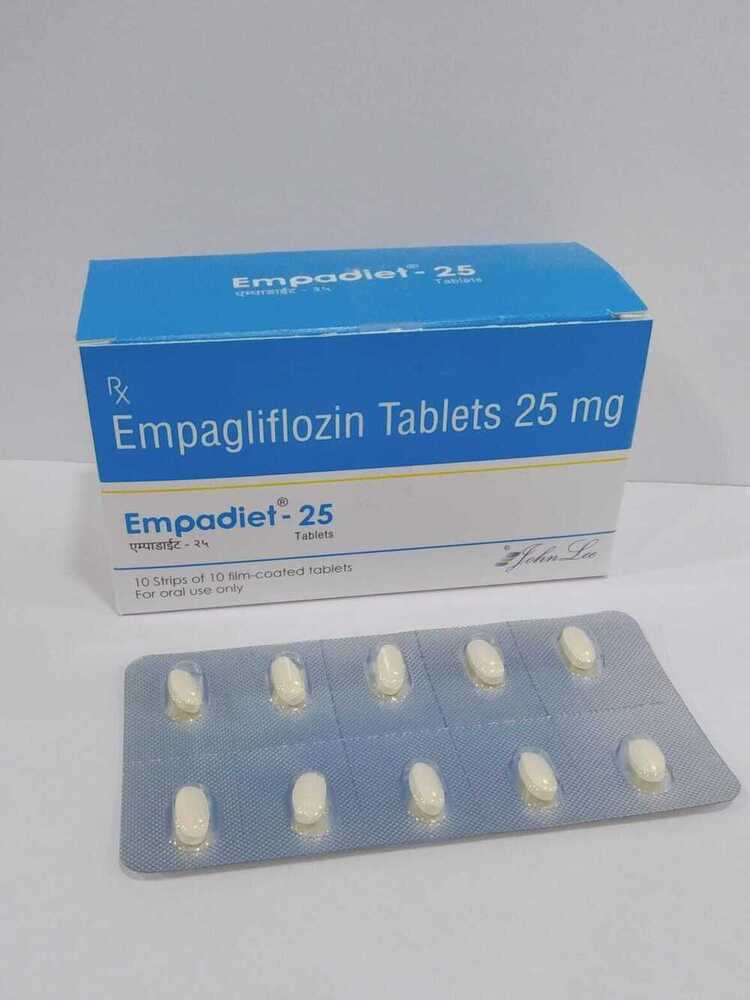
Tell us about your requirement

Price:
Quantity
Select Unit
- 50
- 100
- 200
- 250
- 500
- 1000+
Additional detail
Mobile number
Email

More Products in Cardiovascular Medicine Category

Fenofibrate Tablets
Price 150.00 INR / Box
Minimum Order Quantity : 1000 Strips
Storage Instructions : Store in a cool, dry place below 25C, protect from light and moisture
Origin of Medicine : India
Quantity : Varies (commonly 10x10 tablets per box)
Drug Type : Other, Allopathic
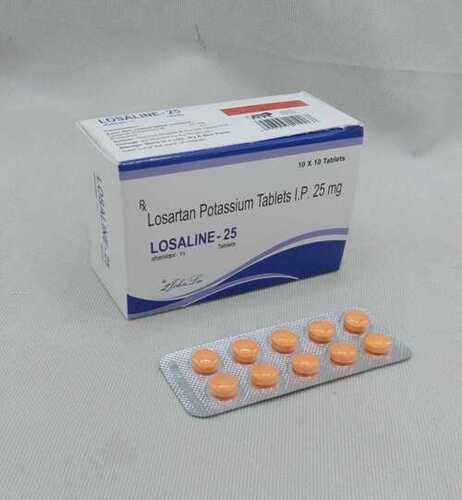
Losartan Potassium Tablets
Price 108.00 INR / Box
Minimum Order Quantity : 10000 Strips
Storage Instructions : Store in a cool, dry place away from direct sunlight
Origin of Medicine : Allopathic
Quantity : 30 Tablets per box
Drug Type : Other, Generic prescription drug
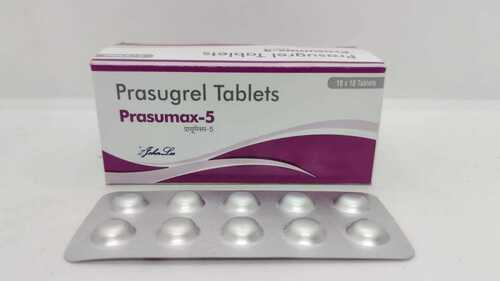
Prasugrel Tablets
Price 275.00 INR / Box
Minimum Order Quantity : 1000 Strips
Storage Instructions : Store in a cool, dry place below 30C, away from direct sunlight
Origin of Medicine : Allopathic
Quantity : 10 tablets per strip
Drug Type : Other, Generic
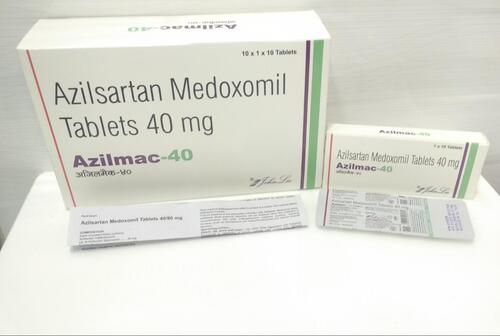
Azilsartan Tablets
Price 139.00 INR / Box
Minimum Order Quantity : 10000 Strips
Storage Instructions : Store below 30C, protect from light and moisture
Origin of Medicine : Allopathic
Quantity : Varies (typically 10 tablets per strip)
Drug Type : Other, Prescription

Contact Details

- Office No.22 to 25, 2nd Floor, 72/78, Chapsey Building, Ladwadi, Shamaldas Gandhi Marg, Princess Street,Mumbai - 400002, Maharashtra, India
- Phone : 08045476402
AMBICA PHARMA
GST : 27AGKPJ8183H1ZY
GST : 27AGKPJ8183H1ZY

- Mr Vikram K Jain (Director)
- Mobile : 08045476402
- Send Inquiry
 Send Inquiry
 Send Inquiry
 Send SMS
 Call Me Free
AMBICA PHARMA
All Rights Reserved.(Terms of Use)
Developed and Managed by Infocom Network Private Limited.
Developed and Managed by Infocom Network Private Limited.

