 English
 Spanish
 French
 German
 Italian
 Chinese (Simplified)
 Japanese
 Korean
 Arabic
 Portuguese
 08045476402

 Send Inquiry
Ceftazidime Injection
Price 254.00 INR/ Box
MOQ : 10000 Pieces
Ceftazidime Injection Specification
- Indication
- Treatment of infections caused by susceptible Gram-negative and certain Gram-positive bacteria
- Dosage Form
- Injection
- Pacakaging (Quantity Per Box)
- 10 vials per box
- Origin of Medicine
- Allopathic
- Salt Composition
- Ceftazidime pentahydrate
- Drug Type
- Prescription Only
- Ingredients
- Ceftazidime (as Pentahydrate)
- Physical Form
- Lyophilized Powder for Injection
- Function
- Antibiotic (Cephalosporin) - Bactericidal
- Recommended For
- Bacterial Infections, including respiratory tract, urinary tract, skin, and intra-abdominal infections
- Dosage
- As prescribed by physician, typically 1-2g every 8-12 hours
- Dosage Guidelines
- Reconstitute with suitable solvent; administer intravenously or intramuscularly as prescribed
- Suitable For
- Adults and children (as directed by physician)
- Quantity
- 1 vial
- Storage Instructions
- Store below 25°C, protect from light, do not freeze
- Route of Administration
- Intravenous (IV) or Intramuscular (IM)
- Strength
- 500 mg / 1 g / 2 g per vial (varies depending on pack)
- Marketed By
- Pharmaceutical companies as per country regulations
- Contraindications
- Hypersensitivity to cephalosporins or beta lactam antibiotics
- Appearance
- White to pale yellow powder
- Shelf Life
- 24-36 months from manufacturing date
- Precautions
- Use with caution in patients with renal impairment
- Reconstitution Medium
- Sterile Water for Injection
- Brand Name
- Depends on Manufacturer
- Prescription/Non-Prescription
- Prescription
- Side Effects
- Possible adverse effects include rash, diarrhoea, nausea, and local injection site reactions
Ceftazidime Injection Trade Information
- Minimum Order Quantity
- 10000 Pieces
- FOB Port
- MUMBAI
- Payment Terms
- Cash Advance (CA), Cash in Advance (CID), Cheque, Western Union
- Supply Ability
- 1000 Pieces Per Day
- Delivery Time
- 01 Week
- Sample Available
- Yes
- Sample Policy
- Free samples available with shipping and taxes paid by the buyer
- Packaging Details
- 1GM
- Certifications
- WHO-GMP
Ceftazidime Injection About
Ceftazidime is an injected broad-spectrum third-generation cephalosporin beta-lactam antibiotic used to treat or prevent a variety of bacterial infections, including pneumonia, gynecological infections, bone and joint infections, and septicemia, among others.Broad-Spectrum Antibiotic Solution
Ceftazidime Injection offers a comprehensive approach to treating various bacterial infections. Widely prescribed for respiratory, urinary, skin, and intra-abdominal infections, it demonstrates robust activity against Gram-negative pathogens and certain Gram-positive strains, making it vital in clinical settings.
Flexible Dosage and Administration
Available in multiple strengths (500 mg, 1 g, 2 g per vial), Ceftazidime Injection is reconstituted with sterile water and administered via IV or IM routes. Dosage is tailored based on the patient's condition and doctor's guidance, ensuring effective and individualized treatment.
Safety and Storage Considerations
To maintain potency, store vials below 25C and shield from light. Healthcare providers should use caution in patients with renal impairment, and only administer to those without cephalosporin or beta-lactam hypersensitivity. As a prescription medicine, it is dispensed by pharmacists under physician direction.
FAQ's of Ceftazidime Injection:
Q: How is Ceftazidime Injection prepared and administered?
A: Ceftazidime Injection should be reconstituted using sterile water for injection. After complete dissolution, it can be administered intravenously or intramuscularly as prescribed by a healthcare professional.Q: What infections can Ceftazidime Injection treat?
A: This antibiotic is recommended for various bacterial infections, such as those of the respiratory tract, urinary tract, skin, and intra-abdominal area, especially when caused by susceptible Gram-negative and selected Gram-positive bacteria.Q: When should I use Ceftazidime Injection?
A: Ceftazidime Injection should only be used when prescribed by a qualified healthcare provider for confirmed or suspected bacterial infections based on clinical evaluation and susceptibility testing.Q: Where should Ceftazidime Injection be stored before use?
A: Store the vials below 25C, protected from light, and never freeze. These precautions help maintain its stability and effectiveness until the expiration date.Q: What is the usual dosage for Ceftazidime Injection?
A: The typical dosage ranges between 1-2 grams every 8-12 hours, but the exact regimen depends on the severity of infection, patient's age, renal function, and physician's assessment.Q: Are there possible side effects with Ceftazidime Injection?
A: Yes, possible side effects include rash, diarrhoea, nausea, and local injection site reactions. Inform your doctor if you experience persistent or severe adverse reactions.Q: What precautions should be taken before and during Ceftazidime therapy?
A: Patients with known allergies to cephalosporins or beta-lactam antibiotics should not use this medication. Use with caution in those with renal impairment, and always follow the doctor's guidance regarding dose and monitoring.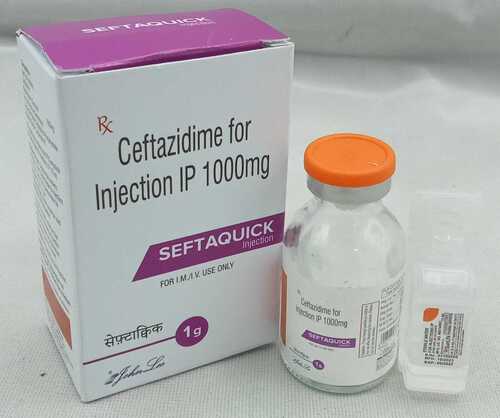
Tell us about your requirement

Price:
Quantity
Select Unit
- 50
- 100
- 200
- 250
- 500
- 1000+
Additional detail
Mobile number
Email

More Products in Pharmaceuticals Injection Category
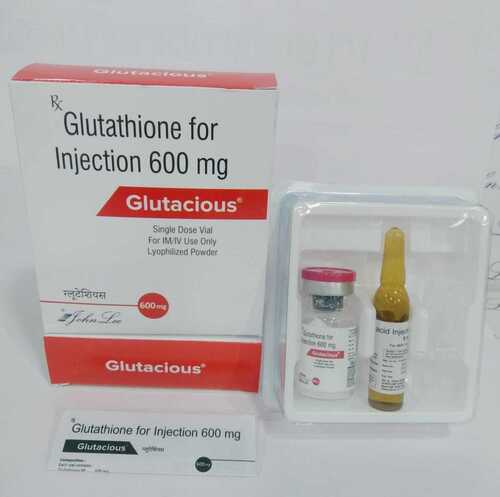
Glutathione For Injection
Price 1800.0 INR / Box
Minimum Order Quantity : 10000 Boxes
Physical Form : Liquid
Drug Type : Injection
Quantity : 10000 Unit
Dosage Guidelines : Intravenous use only, reconstitute with sterile water before administration
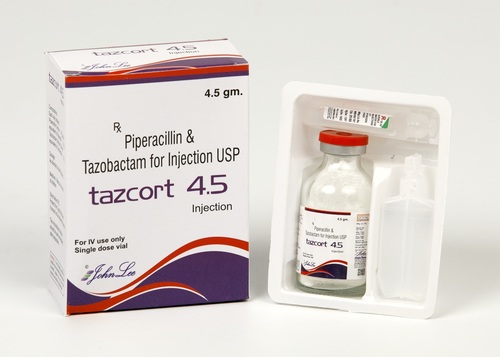
Piperacillin Tazobactam Injection
Price 461.00 INR / Piece
Minimum Order Quantity : 100000 Pieces
Physical Form : Liquid
Drug Type : General Medicines
Quantity : 10000 Pieces
Dosage Guidelines : As per doctor
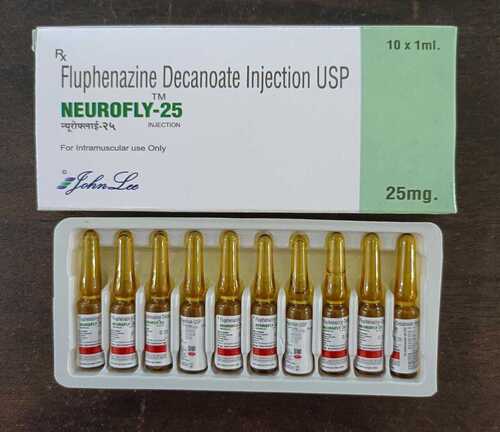
Fluphenazine Decanoate Injection
Price 63.00 INR / Box
Minimum Order Quantity : 1000 Pieces
Physical Form : Liquid
Drug Type : Injection
Quantity : 10000 Pieces
Dosage Guidelines : As per doctor
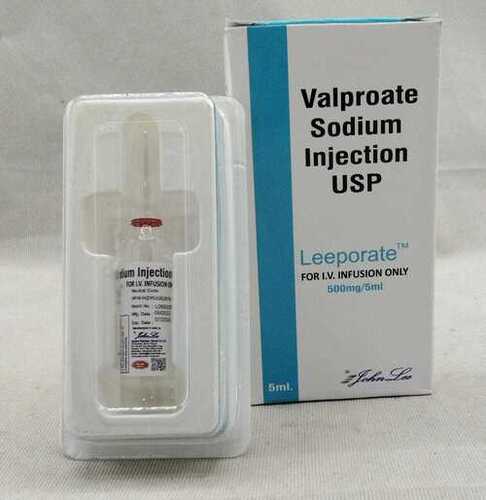
Sodium Valproate Injection
Price 26.00 INR / Piece
Minimum Order Quantity : 1000 Pieces
Physical Form : Liquid
Drug Type : Injection
Quantity : 1000 Pieces
Dosage Guidelines : As per doctor

Contact Details

- Office No.22 to 25, 2nd Floor, 72/78, Chapsey Building, Ladwadi, Shamaldas Gandhi Marg, Princess Street,Mumbai - 400002, Maharashtra, India
- Phone : 08045476402
AMBICA PHARMA
GST : 27AGKPJ8183H1ZY
GST : 27AGKPJ8183H1ZY

- Mr Vikram K Jain (Director)
- Mobile : 08045476402
- Send Inquiry
 Send Inquiry
 Send Inquiry
 Send SMS
 Call Me Free
AMBICA PHARMA
All Rights Reserved.(Terms of Use)
Developed and Managed by Infocom Network Private Limited.
Developed and Managed by Infocom Network Private Limited.

