 English
 Spanish
 French
 German
 Italian
 Chinese (Simplified)
 Japanese
 Korean
 Arabic
 Portuguese
 08045476402

 Send Inquiry
Capecitabine Tablets
Price 1179.00 INR/ Box
MOQ : 10000 Strips
Capecitabine Tablets Specification
- Indication
- Treatment of metastatic breast cancer, colorectal cancer, other advanced or metastatic cancers
- Dosage Form
- Tablet
- Salt Composition
- Capecitabine
- Enzyme Types
- Not applicable (Capecitabine is an antineoplastic agent, not an enzyme)
- Feature
- Film-coated, easy to swallow, available in multiple strengths
- Ingredients
- Capecitabine and inactive excipients
- Application
- Physical Color/Texture
- Light peach to pink, film-coated tablets
- Fermentation Smell
- Odorless or slight medicinal odor
- Storage Instructions
- Store below 30C, in a dry place, protected from light
- Shelf Life
- 2436 months from date of manufacture
- Manufacturer/Brand
- Varies by supplier
- Common Side Effects
- Diarrhea, nausea, abdominal pain, hand-foot syndrome, fatigue
- Warning/Precaution
- Use with caution in patients with renal impairment or DPD deficiency
- Administration Route
- Oral
- ATC Code
- L01BC06
- Prescription Status
- Prescription only
- Strengths Available
- 150 mg, 500 mg
- Packaging Type
- Blister pack or bottle
Capecitabine Tablets Trade Information
- Minimum Order Quantity
- 10000 Strips
- FOB Port
- MUMBAI
- Payment Terms
- Cash Advance (CA), Cash in Advance (CID), Cheque, Western Union
- Supply Ability
- 1000 Strips Per Day
- Delivery Time
- 01 Week
- Sample Available
- Yes
- Sample Policy
- Free samples available with shipping and taxes paid by the buyer
- Packaging Details
- 3X10TAB
- Main Export Market(s)
- Asia, Australia, Central America, North America, South America, Eastern Europe, Western Europe, Middle East, Africa
- Main Domestic Market
- All India
- Certifications
- WHO-GMP
Capecitabine Tablets About
Capecitabine is used to treat certain types of cancer (such as breast, colon, rectal, stomach, esophageal, pancreatic cancer). It works by slowing or stopping the growth of cancer cells.
Oral Chemotherapy Made Convenient
Capecitabine Tablets transform cancer treatment by enabling effective oral chemotherapy at home. Their film-coated design makes them easy to swallow, and the two available strengths (150 mg, 500 mg) cater to individual dosage needs. The tablets help reduce hospital visits for cancer patients, providing flexibility and comfort during prolonged therapies.
Designed with Patient Safety in Mind
Safety is a priority in Capecitabine Tablets, featuring clear dosage labeling and packaging that protects the medication from light and moisture. Patients with renal impairment or dihydropyrimidine dehydrogenase (DPD) deficiency should consult their physician before use, as special precautions may be needed. Side effects are closely monitored to support safe therapy.
FAQ's of Capecitabine Tablets:
Q: How should Capecitabine Tablets be taken for best results?
A: Capecitabine Tablets should be taken exactly as prescribed by your oncologist, usually within 30 minutes after a meal. Swallow the film-coated tablet whole with water, without crushing or chewing it.Q: What conditions can Capecitabine Tablets treat?
A: Capecitabine Tablets are indicated for the treatment of metastatic breast cancer, colorectal cancer, and some other advanced or metastatic cancers, based on your doctor's recommendations.Q: When is it necessary to use caution with Capecitabine Tablets?
A: Caution is needed if you have kidney problems or a known deficiency of the enzyme DPD (dihydropyrimidine dehydrogenase). Inform your healthcare provider if you have these conditions before initiating therapy.Q: Where should I store Capecitabine Tablets to maintain their potency?
A: Store Capecitabine Tablets below 30C, in a dry area, and protect them from light. Keep them in their original blister pack or bottle to safeguard their shelf life.Q: What are the common side effects of Capecitabine Tablets?
A: The most frequently reported side effects include diarrhea, nausea, abdominal pain, hand-foot syndrome (redness, swelling or pain on palms and soles), and fatigue. Contact your doctor if these persist or become severe.Q: What benefits do film-coated Capecitabine Tablets offer patients?
A: The film coating makes the tablets easy to swallow and helps mask any unpleasant taste, supporting better compliance for patients throughout their oral chemotherapy regimen.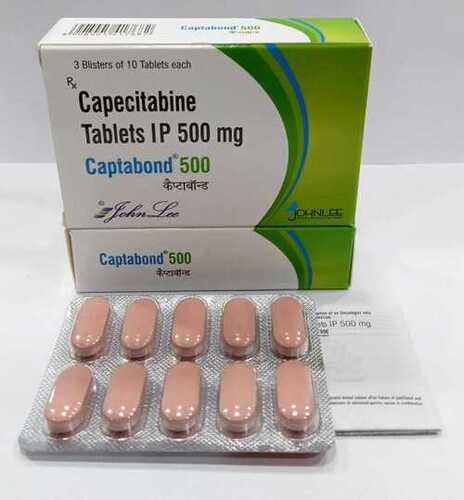
Tell us about your requirement

Price:
Quantity
Select Unit
- 50
- 100
- 200
- 250
- 500
- 1000+
Additional detail
Mobile number
Email

More Products in Anticancer Drugs Category
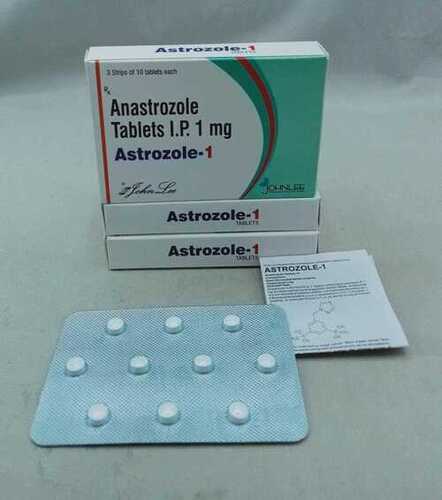
Anastrozole Tablets
Price 608.40 INR / Box
Minimum Order Quantity : 1000
Shelf Life : 24 to 36 months
Indication : Used for treatment of breast cancer in postmenopausal women
Dosage Form : Tablet
Storage Instructions : Store below 25C, protect from moisture
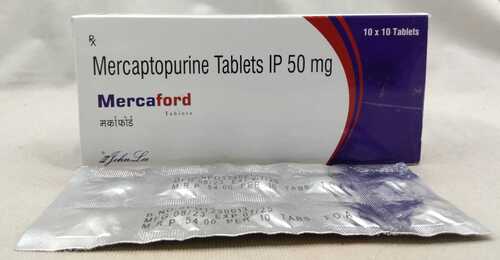
Mercaptopurine Tablets
Price 50.0 INR / Strip
Minimum Order Quantity : 10000 Strips
Shelf Life : 2436 months Months
Indication : Treatment of acute lymphoblastic leukemia (ALL), chronic myeloid leukemia (CML), and other specified hematologic malignancies
Dosage Form : Tablet
Storage Instructions : Store below 25 C, protect from light and moisture
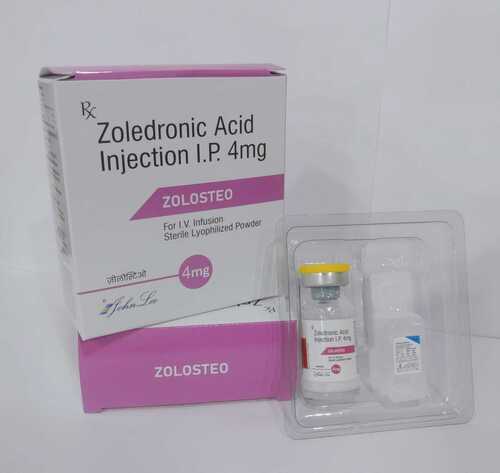
Zoledronic Acid Injection
Price 2500.00 INR / Vial
Minimum Order Quantity : 10000 Bottles
Shelf Life : 24 months
Indication : Used for treatment of osteoporosis, Pagets disease of bone, hypercalcemia of malignancy, and bone metastases.
Dosage Form : Injection
Storage Instructions : Store below 30C, do not freeze, protect from light.

Contact Details

- Office No.22 to 25, 2nd Floor, 72/78, Chapsey Building, Ladwadi, Shamaldas Gandhi Marg, Princess Street,Mumbai - 400002, Maharashtra, India
- Phone : 08045476402
AMBICA PHARMA
GST : 27AGKPJ8183H1ZY
GST : 27AGKPJ8183H1ZY

- Mr Vikram K Jain (Director)
- Mobile : 08045476402
- Send Inquiry
 Send Inquiry
 Send Inquiry
 Send SMS
 Call Me Free
AMBICA PHARMA
All Rights Reserved.(Terms of Use)
Developed and Managed by Infocom Network Private Limited.
Developed and Managed by Infocom Network Private Limited.

