 English
 Spanish
 French
 German
 Italian
 Chinese (Simplified)
 Japanese
 Korean
 Arabic
 Portuguese
 08045476402

 Send Inquiry
Azathioprine Tablets
Price 126.00 INR/ Box
MOQ : 10000 Strips
Azathioprine Tablets Specification
- Indication
- Prevention of organ rejection after transplant, autoimmune disorders, rheumatoid arthritis
- Salt Composition
- Azathioprine
- Dosage Form
- Tablet
- Origin of Medicine
- Allopathic
- Pacakaging (Quantity Per Box)
- Usually 10 x 10 tablets per box
- Drug Type
- Prescription
- Ingredients
- Azathioprine
- Physical Form
- Tablets
- Function
- Immunosuppressant
- Recommended For
- Adults; as directed by physician
- Dosage
- As prescribed by healthcare professional
- Dosage Guidelines
- Take orally with or after food, as per doctors prescription
- Suitable For
- Suitable for adults
- Quantity
- Per strip: 10 tablets (varies by manufacturer packaging)
- Storage Instructions
- Store in a cool, dry place, away from sunlight
- Shape
- Round
- Colour
- Yellow
- Prescription/Non Prescription
- Prescription Only
- Regulatory Approval
- Approved by national drug regulatory authority
- Application
- Oral use only
- Manufacturing Standard
- Manufactured under GMP conditions
- Strength
- 50 mg per tablet (Other strengths may be available)
- Warning
- Not recommended during pregnancy or breastfeeding without medical advice; regular monitoring required
- Side Effects
- Nausea, vomiting, decreased white blood cell count, increased risk of infection
- Marketed By
- Various pharmaceutical manufacturers
- Availability
- Available in hospitals, pharmacies, and medical supply chains
- Shelf Life
- 24 months from date of manufacture
Azathioprine Tablets Trade Information
- Minimum Order Quantity
- 10000 Strips
- FOB Port
- MUMBAI
- Payment Terms
- Cash Advance (CA), Cash in Advance (CID), Cheque, Western Union
- Supply Ability
- 1000 Strips Per Day
- Delivery Time
- 01 Week
- Sample Available
- Yes
- Sample Policy
- Free samples available with shipping and taxes paid by the buyer
- Packaging Details
- 10X10TAB
- Main Export Market(s)
- Asia, Australia, Central America, North America, South America, Eastern Europe, Western Europe, Middle East, Africa
- Main Domestic Market
- All India
- Certifications
- WHO-GMP
Azathioprine Tablets About
Azathioprine (Imuran) is a medication that treats diseases that have to do with your immune system. It's been used in some patients with multiple sclerosis (MS), usually if they have problems with standard FDA-approved medications for their MS.
Indications and Therapeutic Benefits
Azathioprine Tablets are indicated for adult patients to prevent organ rejection after transplant surgeries and to manage autoimmune disorders, including rheumatoid arthritis. By suppressing the immune response, they help protect transplanted organs and alleviate symptoms of autoimmune conditions. This targeted immunosuppressant therapy supports long-term health management for those at risk of immune-related complications.
Dosage and Administration Guidelines
Patients should take Azathioprine Tablets orally, with or after food, exactly as prescribed by their doctor. The dosage and duration depend on the individual medical condition and response to treatment. Regular monitoring by a healthcare provider is essential to minimize risks and adjust therapy based on blood count and overall health. Adherence to prescribed schedules enhances treatment effectiveness and safety.
Safety, Side Effects, and Monitoring
Common side effects of Azathioprine tablets include nausea, vomiting, reduced white blood cell count, and an increased risk of infection. Because the medicine requires close medical oversight, regular laboratory monitoring is recommended. Azathioprine is contraindicated for pregnant or breastfeeding women unless advised otherwise by a physician. Proper storage and adherence to hospital and pharmacy regulations ensure product efficacy and safety.
FAQ's of Azathioprine Tablets:
Q: How should Azathioprine Tablets 50 mg be taken for optimal effectiveness?
A: Azathioprine Tablets should be taken orally with or after food, as directed by your healthcare professional, to maximize absorption and reduce gastrointestinal discomfort.Q: What medical conditions are Azathioprine Tablets commonly prescribed for?
A: These tablets are primarily prescribed to prevent organ rejection post-transplant and to treat autoimmune diseases such as rheumatoid arthritis, guided by a doctor's recommendation.Q: When is regular monitoring necessary while using Azathioprine Tablets?
A: Regular monitoring is essential throughout treatment to track blood counts and immune function, helping to manage side effects and prevent potentially serious complications.Q: Where can I obtain Azathioprine Tablets and do I need a prescription?
A: Azathioprine Tablets are available in hospitals, pharmacies, and medical supply chains, but you will need a valid medical prescription to purchase them.Q: What is the process for starting Azathioprine Tablets therapy?
A: Azathioprine therapy begins with a consultation and prescription from a licensed healthcare provider, followed by regular follow-up visits for monitoring and dosage adjustments.Q: What precautions should be taken when using Azathioprine Tablets?
A: Precautions include avoiding use during pregnancy or breastfeeding without medical advice, adhering to prescribed dosages, and keeping the medication stored in a cool, dry place away from sunlight.Q: What are the main benefits of Azathioprine Tablets for patients?
A: The primary benefits include reduced risk of organ rejection after transplantation and improved management of autoimmune conditions, with proper use significantly enhancing treatment outcomes.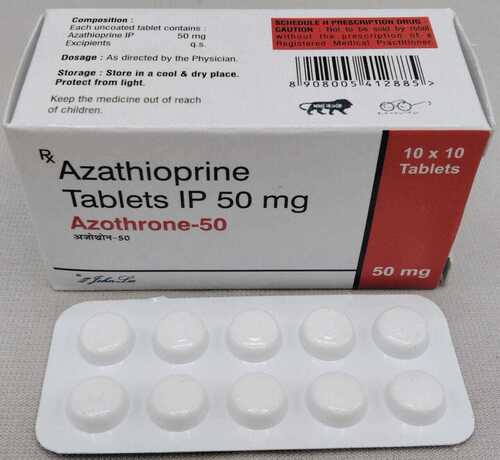
Tell us about your requirement

Price:
Quantity
Select Unit
- 50
- 100
- 200
- 250
- 500
- 1000+
Additional detail
Mobile number
Email

More Products in Neurology / Oncology Medicine Category
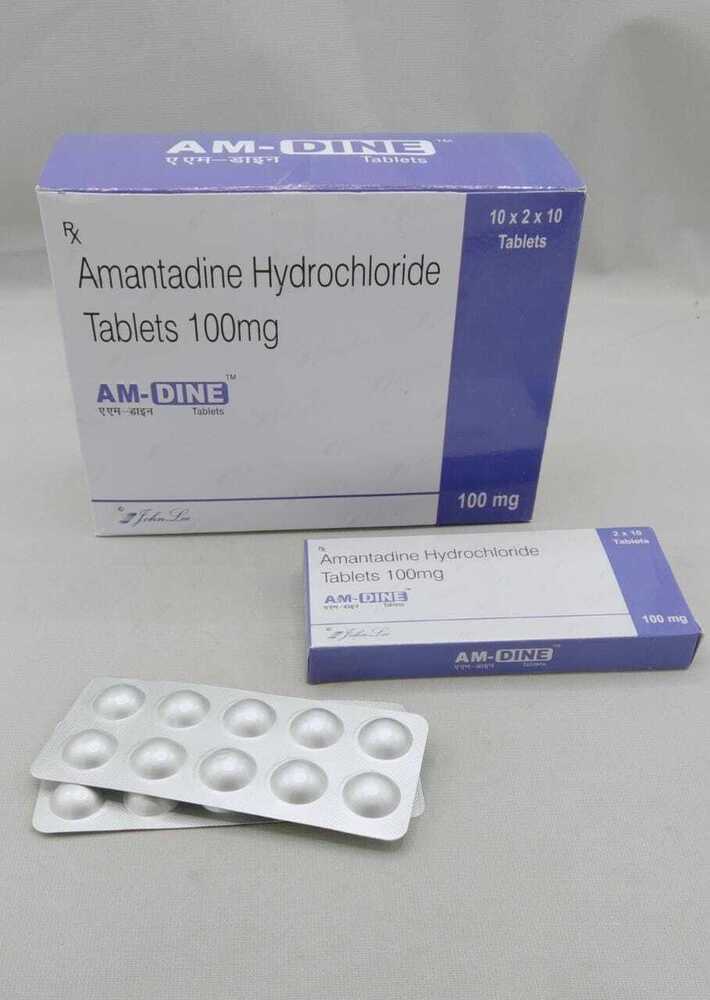
Amantadine Tablet
Price 148.0 INR / Box
Minimum Order Quantity : 100000 Boxes
Drug Type : General Medicines
Physical Form : Tablets
Quantity : 10000 Strip
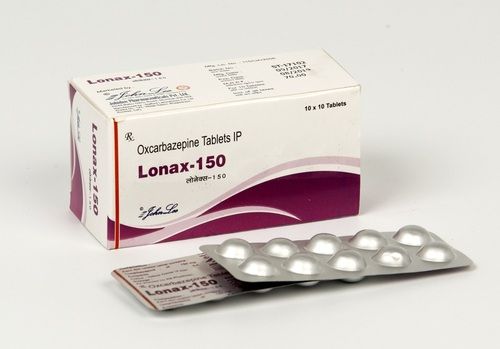
Oxcarbazepine Tablet
Price 135.00 INR / Box
Minimum Order Quantity : 1000
Drug Type : General Medicines
Physical Form : Tablets
Quantity : 1000 Pieces
Storage Instructions : Dry & Cool place
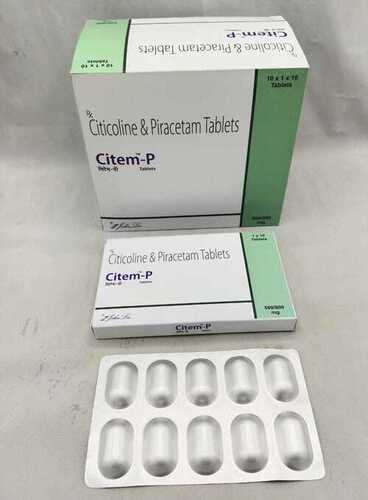
Piracetam Tablet
Price 800.00 INR / Box
Minimum Order Quantity : 10000
Drug Type : Generic Drugs
Physical Form : Tablets
Quantity : 1000 Pieces
Storage Instructions : Dry & Cool place
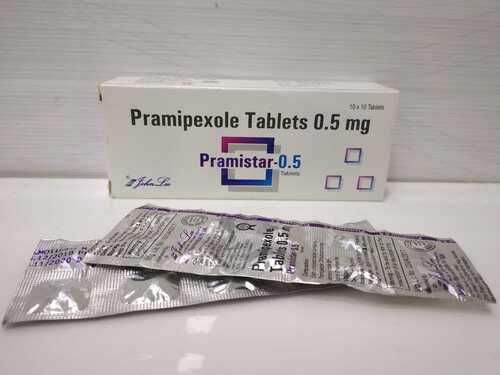
Pramipexole Tablet
Price 65.00 INR / Box
Minimum Order Quantity : 10000
Drug Type : General Medicines
Physical Form : Tablets
Quantity : 1000 Boxes
Storage Instructions : Dry & Cool place

Contact Details

- Office No.22 to 25, 2nd Floor, 72/78, Chapsey Building, Ladwadi, Shamaldas Gandhi Marg, Princess Street,Mumbai - 400002, Maharashtra, India
- Phone : 08045476402
AMBICA PHARMA
GST : 27AGKPJ8183H1ZY
GST : 27AGKPJ8183H1ZY

- Mr Vikram K Jain (Director)
- Mobile : 08045476402
- Send Inquiry
 Send Inquiry
 Send Inquiry
 Send SMS
 Call Me Free
AMBICA PHARMA
All Rights Reserved.(Terms of Use)
Developed and Managed by Infocom Network Private Limited.
Developed and Managed by Infocom Network Private Limited.

